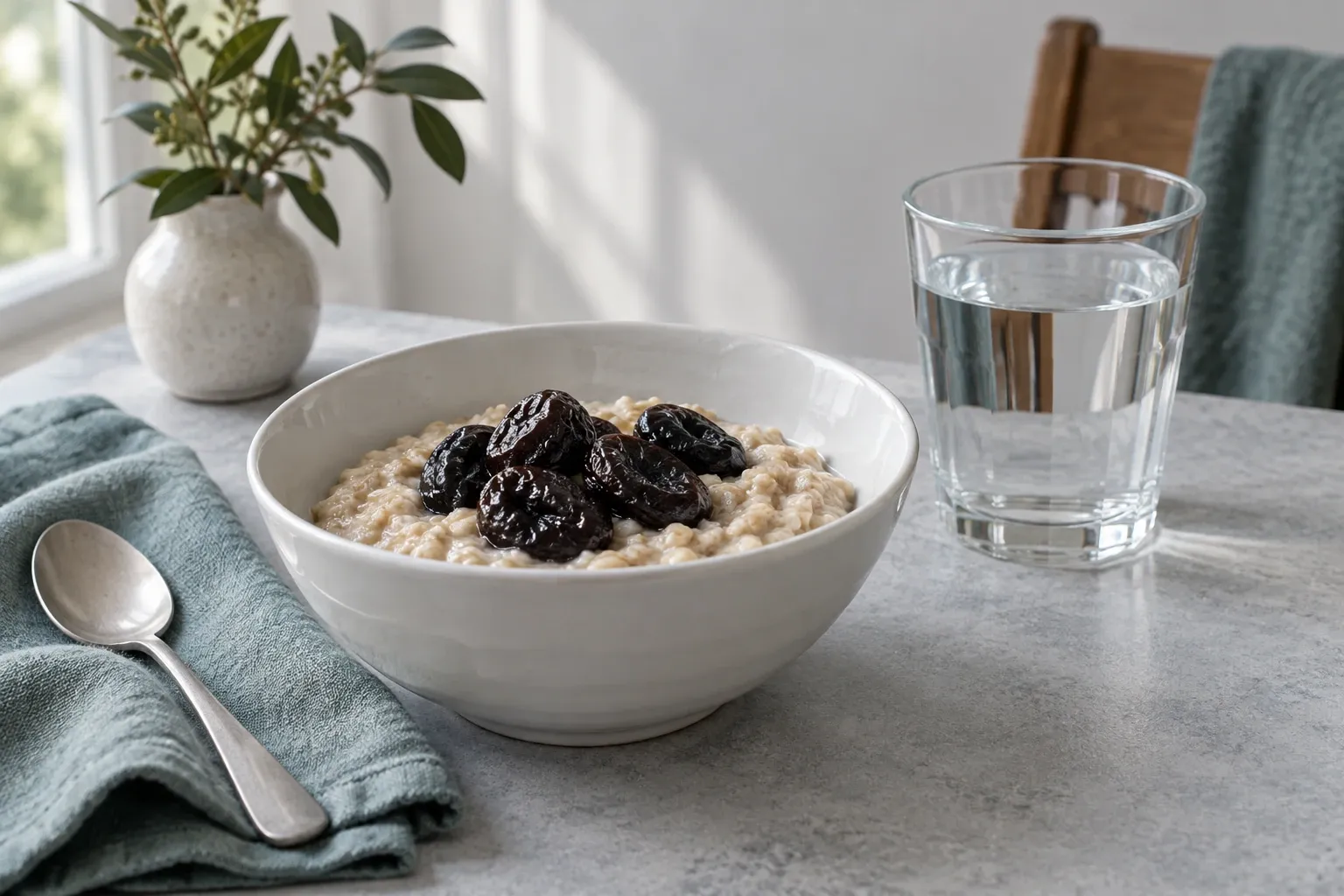
When bowel movements are hard, infrequent, or difficult to pass, adding fiber may be one useful step, but a sudden increase can cause gas and bloating. Learn how to raise fiber gradually, what soluble fiber means, and when ongoing symptoms or warning signs call for medical advice.
You want to eat well without memorizing nutrition textbooks. The aim isn’t perfection—it’s a steady pattern that fits your budget, culture, schedule, and health needs. Below, you’ll find clear criteria for a balanced plate, how popular patterns compare, simple ways to shop and cook, and what to track so you know it’s working for you.
What does a balanced plate actually look like?
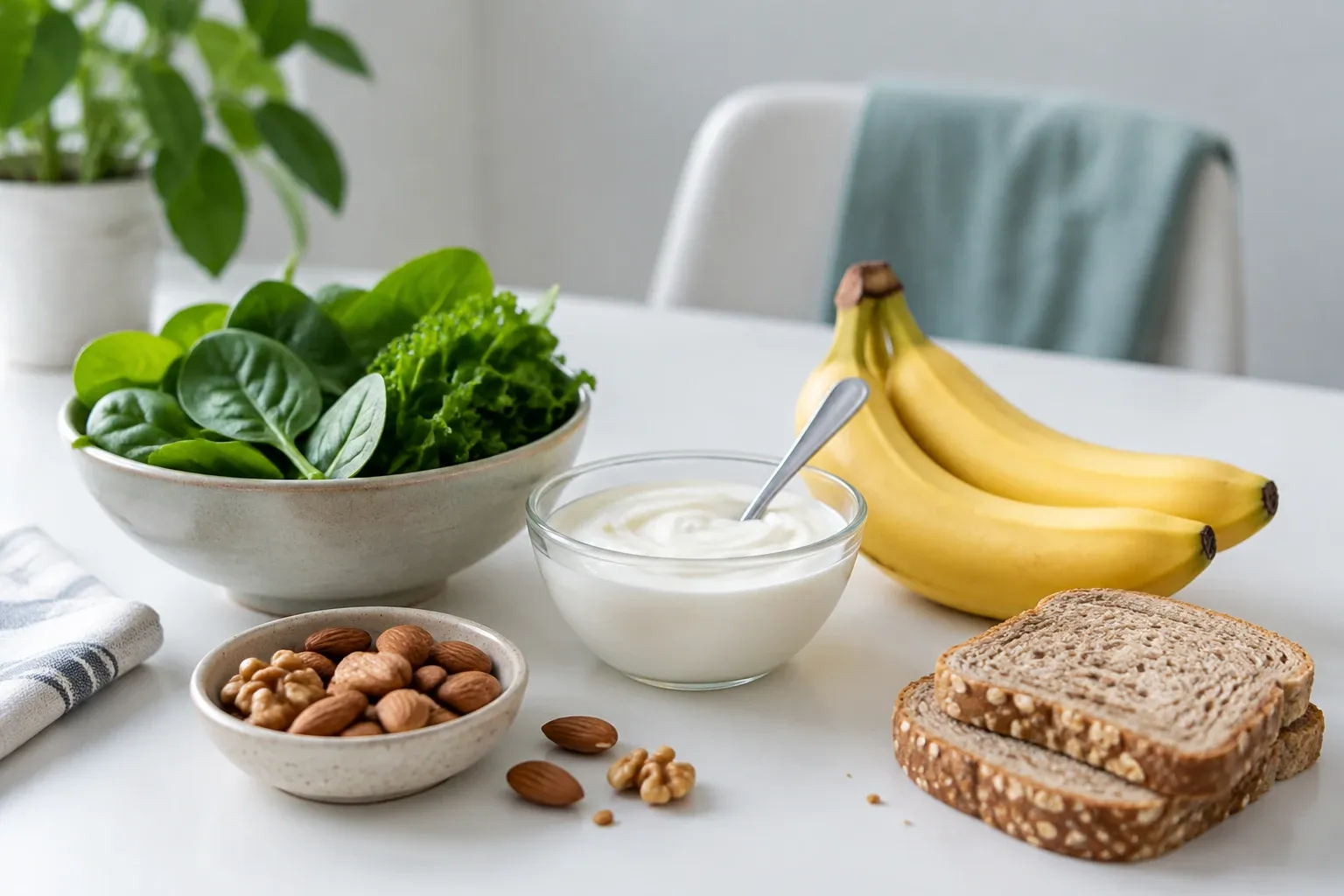
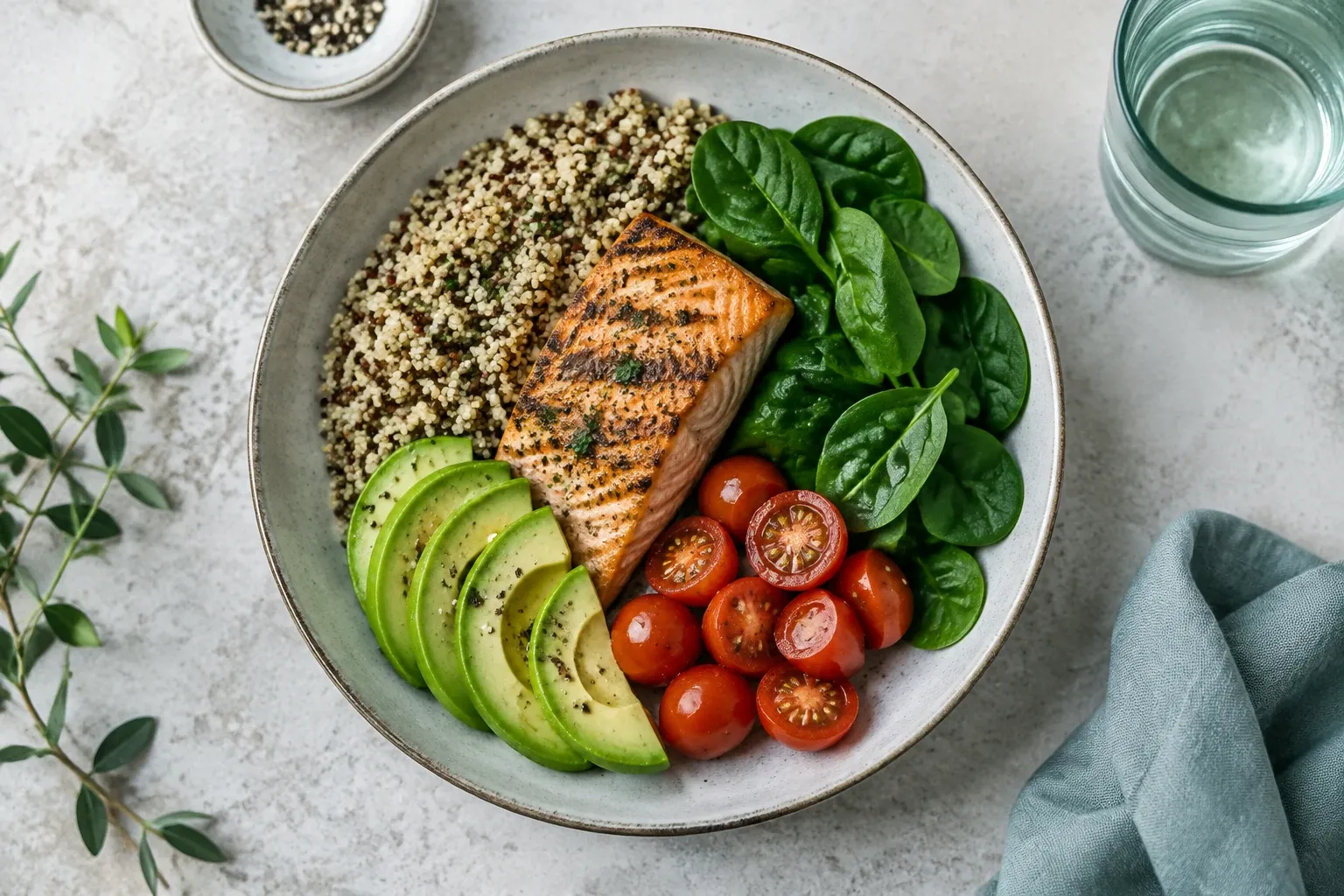
A simple, visual rule works: make half your plate fruits and vegetables, then fill the remaining quarters with whole grains and protein foods, with dairy or fortified soy on the side. That’s the core MyPlate message from the U.S. Department of Agriculture, which also encourages limiting sodium, saturated fat, and added sugars in everyday choices (USDA MyPlate menu guide).
What criteria should you use when choosing foods?
Favor minimally processed, nutrient-dense foods—those that pack vitamins, minerals, fiber, and healthy fats without much added sugar, saturated fat, or sodium. This aligns with the Dietary Guidelines for Americans’ emphasis on nutrient-dense choices across life stages (Dietary Guidelines 2020–2025).
Keep added sugars below 10% of your daily calories by using the Added Sugars line on Nutrition Facts to compare products and choose unsweetened versions when possible.
Aim to cap daily sodium at 2,300 mg (with a better goal of 1,500 mg for most adults) and lean on herbs, spices, citrus, and vinegar for flavor (American Heart Association).
Prefer unsaturated fats (olive oil, nuts, seeds, fish) in place of saturated fats (fatty meats, full-fat dairy) as part of a heart-healthy pattern (AHA dietary guidance).
How do common eating patterns compare?
MyPlate pattern: Flexible for households and budgets, it centers your plate on produce and balances grains, protein foods, and dairy or fortified soy. It works with any cuisine and is easy to teach to kids and teens.
DASH for blood pressure: Emphasizes vegetables, fruits, whole grains, beans, and low-fat dairy, while cutting sodium—an approach consistently recommended for hypertension. If high blood pressure is a focus, see how the DASH diet fits your meals.
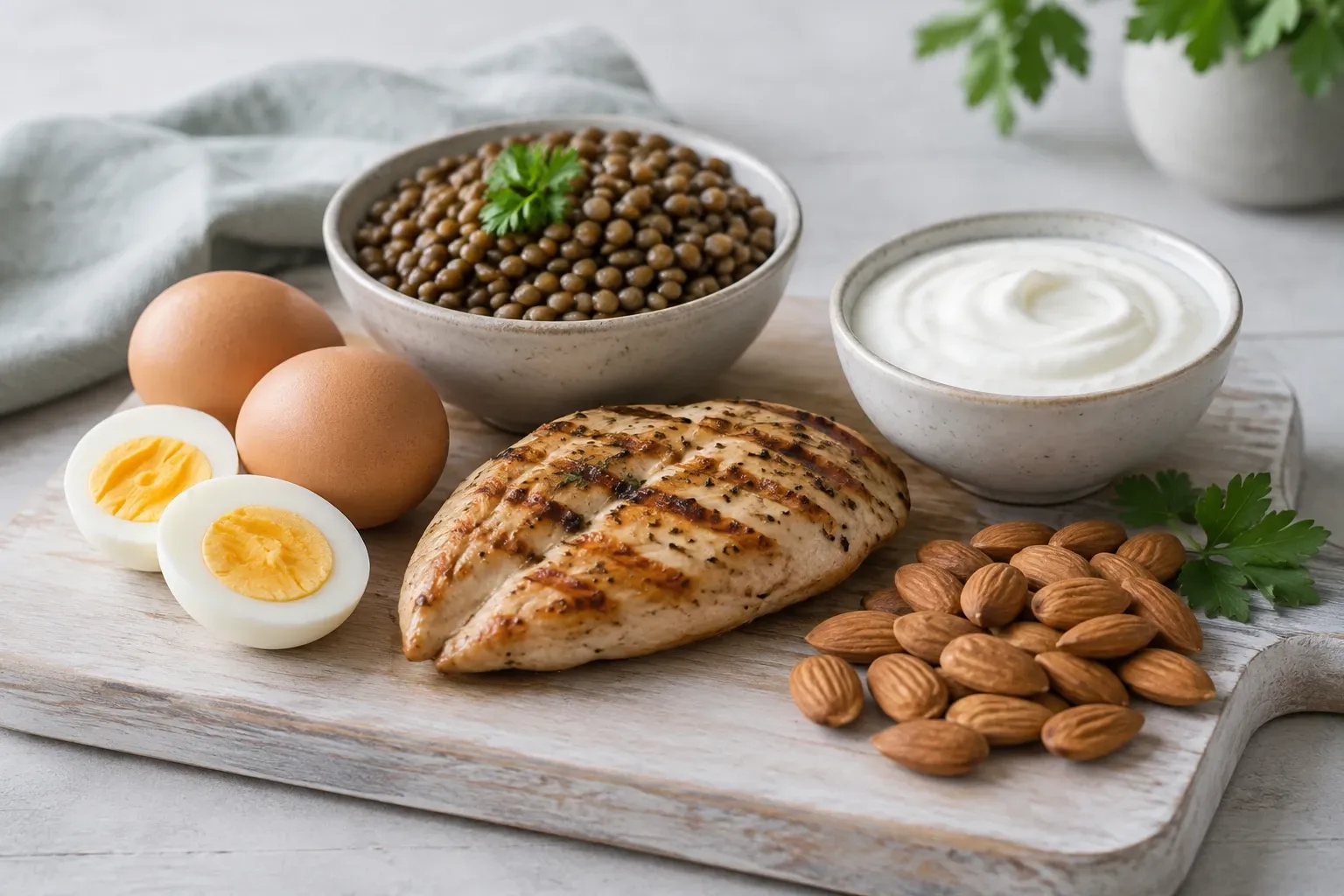
Higher-protein approaches: Can help with satiety and preserving muscle during weight loss, as long as choices are lean or plant-based and overall diet quality stays high. Explore practical picks in high protein foods and tailor your target with how much protein per day.
Anti-inflammatory pattern: Prioritizes whole, colorful plant foods, seafood, nuts, legumes, whole grains, and olive oil while limiting ultra-processed items. See how to build one in our overview of an anti inflammatory diet.
How do you put this on your table and in your cart?
Build plates by sight: start with vegetables and fruit covering half the plate; add a palm-sized lean protein and a fist-sized whole grain; include a dairy or fortified soy option if you use it.
Make smart swaps: choose water or unsweetened tea instead of sugary drinks; pick unsalted nuts over chips; try yogurt with fruit instead of desserts high in added sugars. Keeping added sugars under 10% of calories each day supports overall diet quality.
Shop the label: compare the Sodium and Added Sugars lines; a lower number per serving is usually the better pick. For sodium, work toward foods that keep you near 2,300 mg per day (or 1,500 mg if advised).
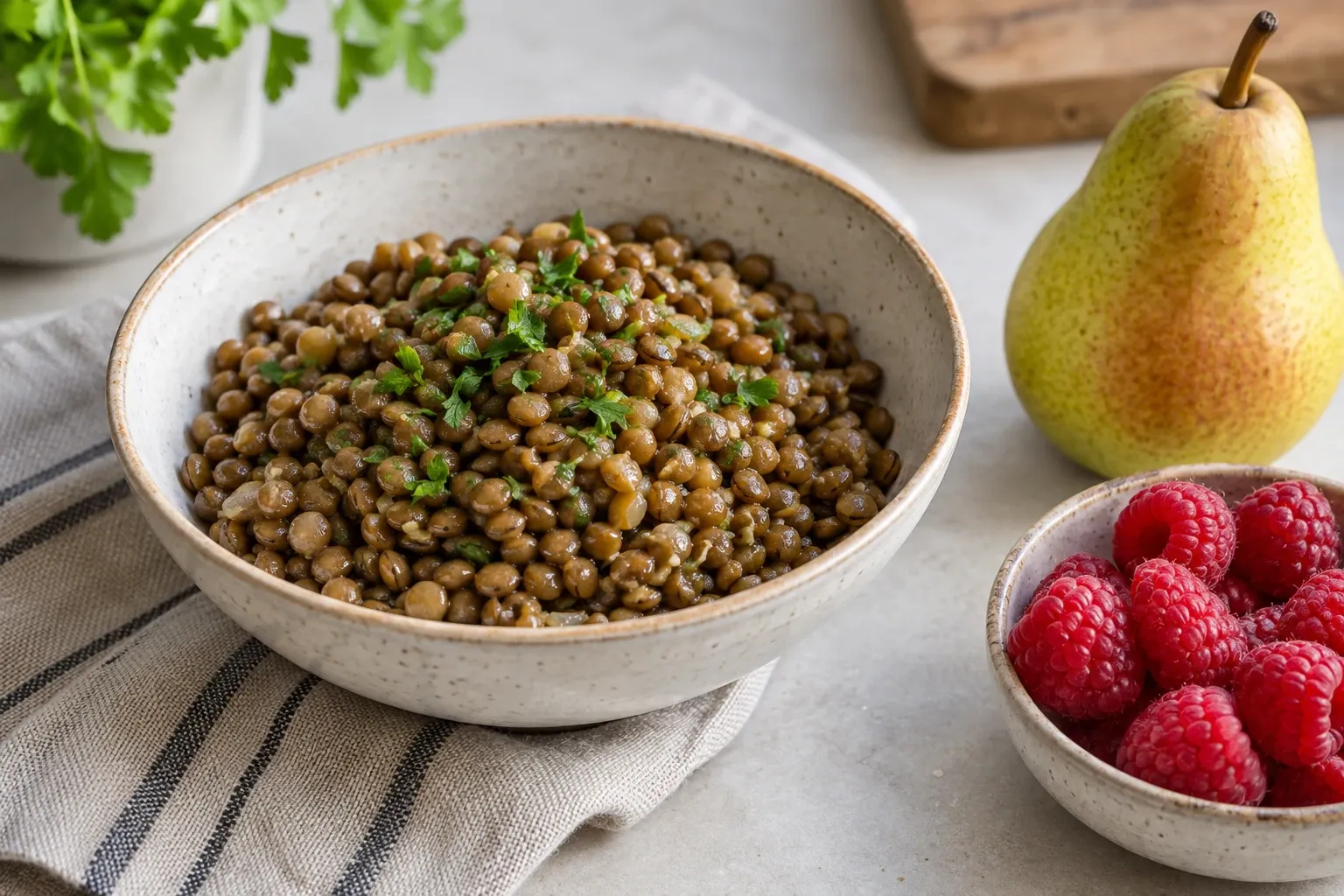
Plan around proteins you like: stock beans, lentils, eggs, yogurt, tofu, fish, and lean poultry or meats so quick meals come together without extra sodium or sugar. Browse ideas in high protein foods.
Use supplements only for needs you’ve identified: for example, vitamin D can be low in many diets and may require a supplement after lab testing; see ranges described by the NIH Office of Dietary Supplements, and learn more in our guide to a vitamin d supplement.
How can you tell if it’s working for you?
Everyday signs: energy is steadier, meals are satisfying without constant grazing, and bowel habits are regular. Your plate routinely shows produce on half of it and fewer ultra-processed extras.
Label check-ins: over a week, your typical choices keep Added Sugars under 10% of calories and Sodium near or under 2,300 mg per day (Dietary Guidelines; AHA).
Health markers: over time, discuss blood pressure, lipids, blood sugar, and weight trends with your clinician. A heart-healthy pattern built on vegetables, fruits, whole grains, lean proteins, and unsaturated fats supports these outcomes.
Not necessarily. Many people do well by building plates with plenty of vegetables and fruit, whole grains, and lean protein, then adjusting portions to hunger and activity. If you have weight or medical goals, tracking for a few weeks can help you learn patterns. A clinician or dietitian can advise when calorie tracking is useful.
Are frozen and canned foods okay?
Yes. Frozen and canned produce can be as nutritious as fresh and often cheaper and less wasteful. Choose fruit packed in water or 100% juice and vegetables labeled no-salt-added or low sodium. This aligns with MyPlate tips to make half your plate fruits and vegetables and to limit sodium and added sugars.
How much added sugar is too much?
The Dietary Guidelines for Americans advise keeping added sugars under 10% of daily calories for everyone age 2 and older. Check the Nutrition Facts label for Added Sugars and favor unsweetened or lightly sweetened options.
What’s a reasonable sodium limit?
The American Heart Association recommends no more than 2,300 mg sodium per day, with an ideal limit of 1,500 mg for most adults. Most sodium comes from restaurant and packaged foods, so comparing labels and cooking at home more often can make a big difference.
Do I need supplements to eat healthy?
Food first is the rule. Some people may need supplements—for example vitamin D in low sun exposure or specific life stages. Use supplements only for identified needs and doses supported by your clinician; see NIH’s fact sheet on vitamin D for context.
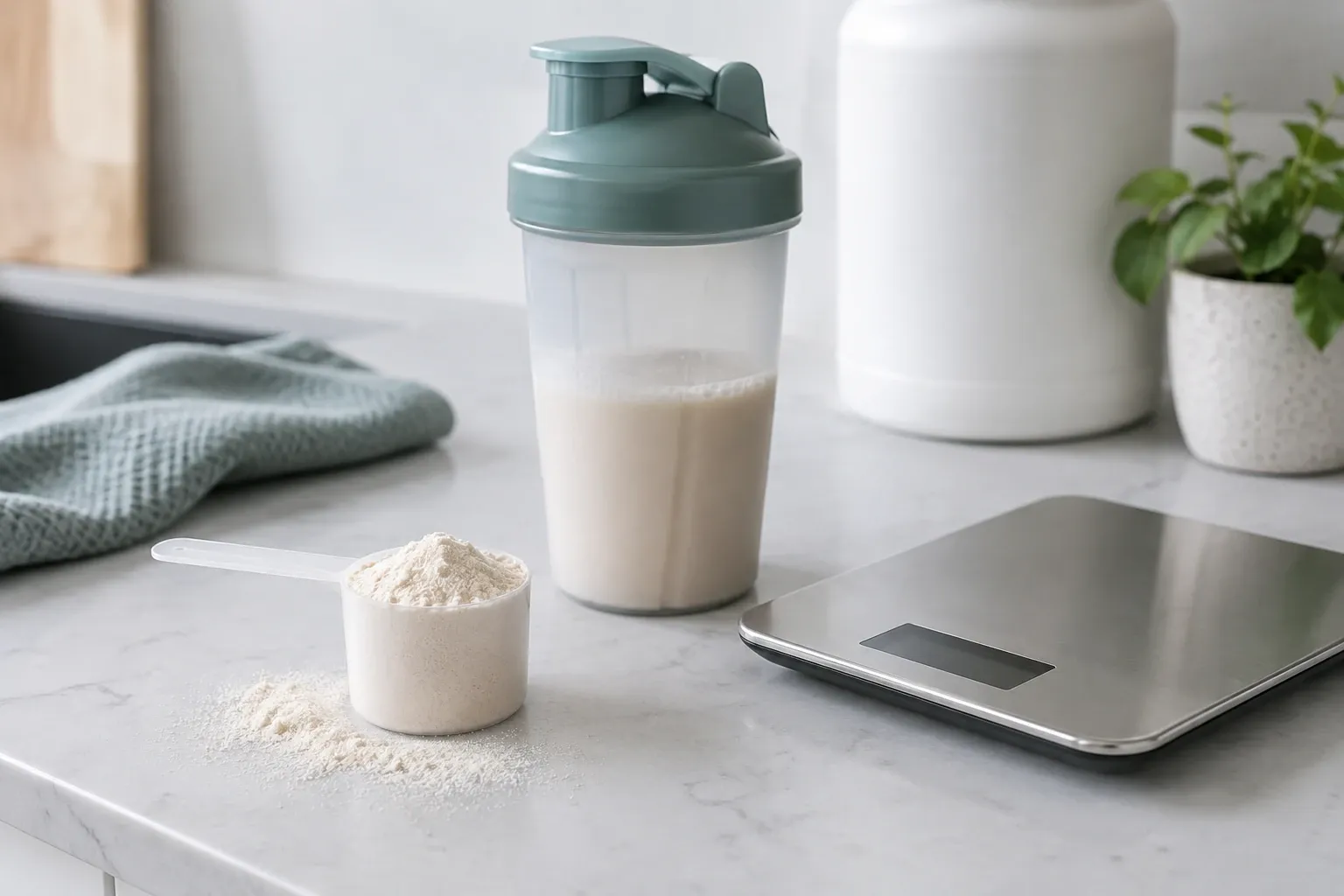
Protein intake, made simple: learn your daily target in grams, how it changes for athletes, pregnancy or kidney disease, and easy ways to hit it at meals.

 How to use fiber for constipation, gradually and safely