You want a simple, up‑to‑date checklist of adult vaccines that matter, and when to get them. Here’s how to build your schedule from trusted U.S. recommendations, with what changes by age, health, and pregnancy.
You want to stay ahead of problems—not chase them. Preventive screenings and vaccines can catch issues early or stop them from starting, but the list can feel long and ever‑changing. This page lays out the core checks most U.S. adults should know about, when they typically start, and how to decide what’s right for you based on age and risk. You’ll also find simple steps to prepare for your visit and track results over time.
What should most adults be screened for, and at what ages?
For many conditions, national guidance spells out who benefits from screening and how often. The U.S. Preventive Services Task Force (USPSTF) lists “A” and “B” grade services that primary‑care clinicians should offer because the benefits outweigh harms. Examples include:
Colorectal cancer: screening starting at age 45 (and continuing through 75 for most adults), with several test options. USPSTF A/B recommendations.
Cervical cancer: from 21 to 65, with age‑appropriate test options and intervals. USPSTF A/B recommendations.
Lung cancer: annual low‑dose CT for adults 50 to 80 with a ≥20 pack‑year smoking history who currently smoke or quit within the past 15 years; stop when it’s been 15 years since quitting or health limits treatment. USPSTF A/B recommendations.
Type 2 diabetes and prediabetes: screen adults 35 to 70 who have overweight or obesity, and offer effective prevention programs if prediabetes is found. USPSTF A/B recommendations.
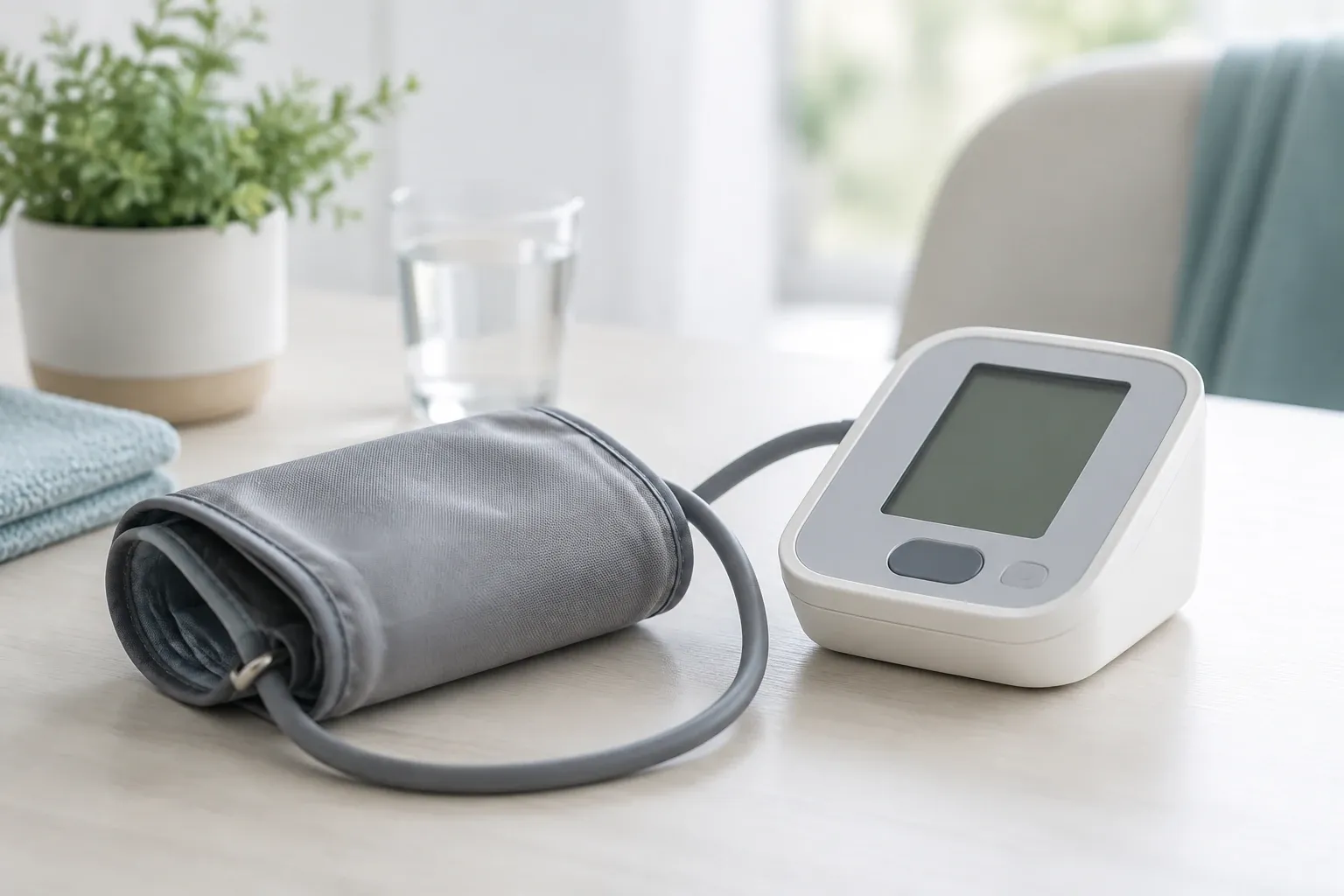
Blood pressure: screen adults 18+ and confirm high readings with measurements outside the clinic before treatment. You can compare your results to a simple blood pressure chart. USPSTF A/B recommendations.
Hepatitis C: one‑time screening for adults 18 to 79 (and periodic testing for ongoing risk). USPSTF A/B recommendations.
HIV: at least once for everyone 15 to 65, with repeat testing for higher risk or pregnancy. USPSTF A/B recommendations.
Vaccines are preventive care, too. The Centers for Disease Control and Prevention (CDC) updates the adult schedule annually for shots like flu, COVID‑19, Tdap, shingles, pneumococcal and others depending on age and risk. See the current CDC adult schedule and footnotes for who needs which doses and when. CDC Adult Immunization Schedule. For a plain‑English overview, check our guide to the vaccine schedule for adults.
How do you decide which screenings and labs you personally need?
A short conversation with your clinician goes a long way. Come prepared to discuss:
Your age and sex assigned at birth, which determine starting ages for several cancer screens (for example, mammograms at 40 and colorectal screening at 45 for most adults). USPSTF A/B recommendations.
Tobacco history (years smoked and packs per day) to calculate pack‑years for possible lung screening. USPSTF A/B recommendations.
Weight and waist changes, which inform diabetes screening needs between 35 and 70 if you have overweight or obesity. Pair this with a plan to prevent type 2 diabetes if your results show prediabetes. USPSTF A/B recommendations.
Blood pressure and cholesterol numbers to estimate 10‑year heart risk and decide next steps. Learn what your lipid panel means in our plain‑English explainer on cholesterol levels. Clinicians use these numbers—along with age and other risks—to guide statin discussions for some adults 40 to 75. USPSTF A/B recommendations.
Sexual health and past exposures for one‑time hepatitis C screening and periodic HIV/STI testing based on risk. USPSTF A/B recommendations.
What are the main screening options—and how do they differ?
Your clinician will outline choices where more than one test is reasonable:
Colorectal screening can be stool‑based (done at home) or exam‑based (visualizing the colon). The best test is the one you’re willing to complete on time; your clinician can match options to your medical history and local availability. USPSTF A/B recommendations.
Cervical screening offers several strategies (cytology, HPV testing, or both) on different schedules between ages 21 and 65; your history and preferences help determine which to use. USPSTF A/B recommendations.
Lung screening uses a low‑dose CT once yearly for people who meet age and smoking‑history criteria; it should be paired with a structured plan to stop smoking if you still use tobacco. USPSTF A/B recommendations.
How do you put your plan into action at a visit?
Book a preventive checkup and request any needed fasting instructions ahead of labs.
Bring your latest at‑home readings (for example, blood pressure) and medication list. If your clinic confirms high blood pressure, they’ll typically ask for readings outside the office before diagnosing hypertension. USPSTF A/B recommendations.
Ask about vaccines due this season or at your age; your clinician follows the CDC schedule. You can preview it in our adult vaccine schedule and in the CDC table and footnotes. CDC Adult Immunization Schedule.
If a result is borderline (like a slightly high A1C), ask whether lifestyle steps, retesting, or medication is appropriate—and when.
How will you know if it’s working?
Keep a simple log of your numbers—blood pressure, lipids, A1C—and compare trends over time. Use our blood pressure chart and cholesterol levels pages to interpret results in plain English.
Confirm follow‑up intervals. For example, most cancer screens repeat on a set cadence by test and age, while others (like HIV) depend on ongoing risk. Your clinician will align your schedule with the latest USPSTF grades and CDC vaccine updates. USPSTF A/B recommendations; CDC Adult Immunization Schedule.
Revisit your plan after major life changes (a new medication, pregnancy, quitting smoking, or a new diagnosis), because your screening and vaccine needs shift with risk and age.

 The adult vaccine schedule you can actually use this year