
Blood pressure numbers you can use today, from normal to high
You want a simple blood pressure chart you can trust, and to know what your numbers mean at your age. Here are the cutoffs used in U.S. care, plus how to measure and when to follow up.
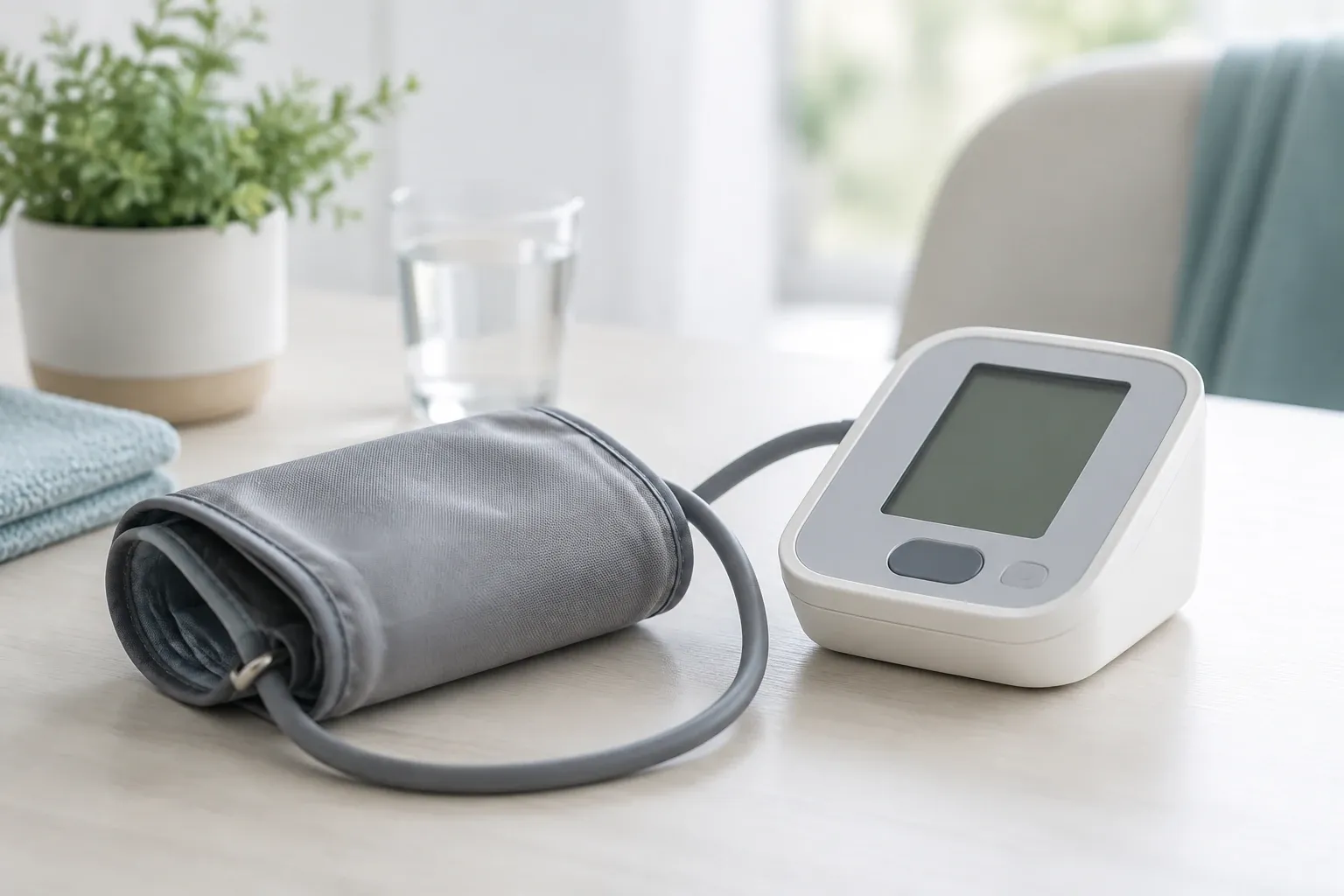
If you’ve been told to “watch your blood pressure,” a quick chart helps you see where you stand and what to do next. Below you’ll find the U.S. categories for adults, why targets don’t change with age, when a reading needs urgent care, and how to measure at home so the numbers are reliable. You’ll also see how blood pressure is classified for children and teens, which uses percentiles instead of fixed cutoffs.
What do the two blood pressure numbers mean?
Blood pressure is recorded as systolic over diastolic (for example, 118/76). Systolic is the pressure when your heart beats; diastolic is the pressure when your heart relaxes between beats. These definitions and the standard adult categories below come from the American Heart Association, which publishes the U.S. guideline framework used in clinics (AHA blood pressure categories).
Adult blood pressure chart (ages 18+)
Use this chart to see where a single, properly taken reading fits. A diagnosis of hypertension relies on repeated measurements, ideally including readings outside the clinic.
| Category | Systolic (mm Hg) | Diastolic (mm Hg) |
|---|---|---|
| Normal | < 120 | and < 80 |
| Elevated | 120–129 | and < 80 |
| Hypertension, Stage 1 | 130–139 | or 80–89 |
| Hypertension, Stage 2 | ≥ 140 | or ≥ 90 |
| Hypertensive crisis (seek urgent care if symptoms) | ≥ 180 | and/or ≥ 120 |
These thresholds are drawn from current American Heart Association guidance; the same fixed categories apply to all nonpregnant adults regardless of age (AHA 2025 BP guideline summary).
Do targets change with age?
For adults, no—your goal isn’t raised simply because you’re older. U.S. recommendations classify adult readings by the fixed cutoffs above. Children and teens are different: their readings are interpreted using age‑, sex‑ and height‑based percentiles rather than one-size thresholds, per the American Academy of Pediatrics guideline (AAP 2017 pediatric BP guideline).
How should you measure at home for a reliable number?
Technique matters. The CDC advises you to use a validated upper‑arm cuff, sit with your back supported and feet flat, rest 5 minutes, keep your arm at heart level, place the cuff on bare skin, avoid caffeine/exercise for 30 minutes, and remain silent during the reading (CDC: how to measure at home). Take two readings, 1 minute apart, and record both.
When do you need urgent care?
A reading of 180/120 mm Hg or higher plus symptoms such as chest pain, shortness of breath, confusion, vision changes, weakness, or severe headache is a medical emergency—call 911, says the American Heart Association (AHA emergency threshold).
How often should you be screened and how is high BP confirmed?
The U.S. Preventive Services Task Force recommends screening all adults 18 and older for hypertension and confirming a high in‑office reading with measurements taken outside the clinic (home or ambulatory) before starting treatment (USPSTF screening recommendation, April 27, 2021). This helps avoid treating “white coat” readings.
What does a child’s or teen’s reading mean?
Pediatric blood pressure is classified by percentiles that consider age, sex and height. The AAP guideline includes simplified screening tables and detailed percentile charts to flag elevated and hypertensive ranges in youths. If a child’s reading is high at a visit, clinicians typically repeat measurements and may use ambulatory or home monitoring before diagnosing hypertension.
Habits that support healthy numbers
Lifestyle changes like a heart‑healthy eating pattern, limiting sodium, staying active, moderating alcohol, not smoking, and managing stress are first‑line steps recommended alongside any medicines when needed, according to AHA guidance. For a broader look at staying up to date on screenings and daily habits, see how you can build them into your routine in our prevention guide.
How your blood pressure fits with other heart risk checks
Blood pressure is one part of your cardiovascular risk picture. Cholesterol matters too—learn how numbers like LDL and non‑HDL are interpreted in our explainer on cholesterol levels. Age‑based checkups can help you keep track of both; here’s how blood pressure screening fits with other preventive screenings.
Frequently asked questions
Does blood pressure have different targets as you get older?
For adults, the same categories apply at every age: normal, elevated, stage 1 and stage 2 hypertension. Major U.S. guidelines do not set higher “acceptable” numbers just because you’re older. The American Heart Association lists fixed adult cutoffs, not age-based targets.
When is a high reading an emergency?
If your blood pressure is 180/120 mm Hg or higher and you have symptoms like chest pain, shortness of breath, confusion, vision changes, weakness, or severe headache, call 911. That constellation signals a possible hypertensive emergency, according to the American Heart Association.
How often should I be screened?
Most adults should have blood pressure checked during routine visits. The U.S. Preventive Services Task Force recommends screening all adults 18+ and confirming a high office reading with measurements taken outside the clinic before starting treatment.
What’s the right way to measure at home?
Use a validated upper‑arm cuff that fits your arm. Sit with your back supported, feet flat, arm at heart level, and the cuff on bare skin. Rest quietly for 5 minutes, avoid caffeine or exercise for 30 minutes beforehand, and don’t talk during the reading, per CDC guidance.
Do children use the same chart?
No. From ages 1–17, blood pressure is interpreted by percentiles that factor in age, sex, and height. The American Academy of Pediatrics provides tables to classify normal, elevated, and hypertensive readings in children and adolescents.
In this section Prevention