
High-protein snacks that make busy days easier
When hunger hits between meals, you need something that fits your day, not a complicated recipe. These high-protein snack ideas pair familiar foods with practical portions and show you how to choose, pack, and store them.
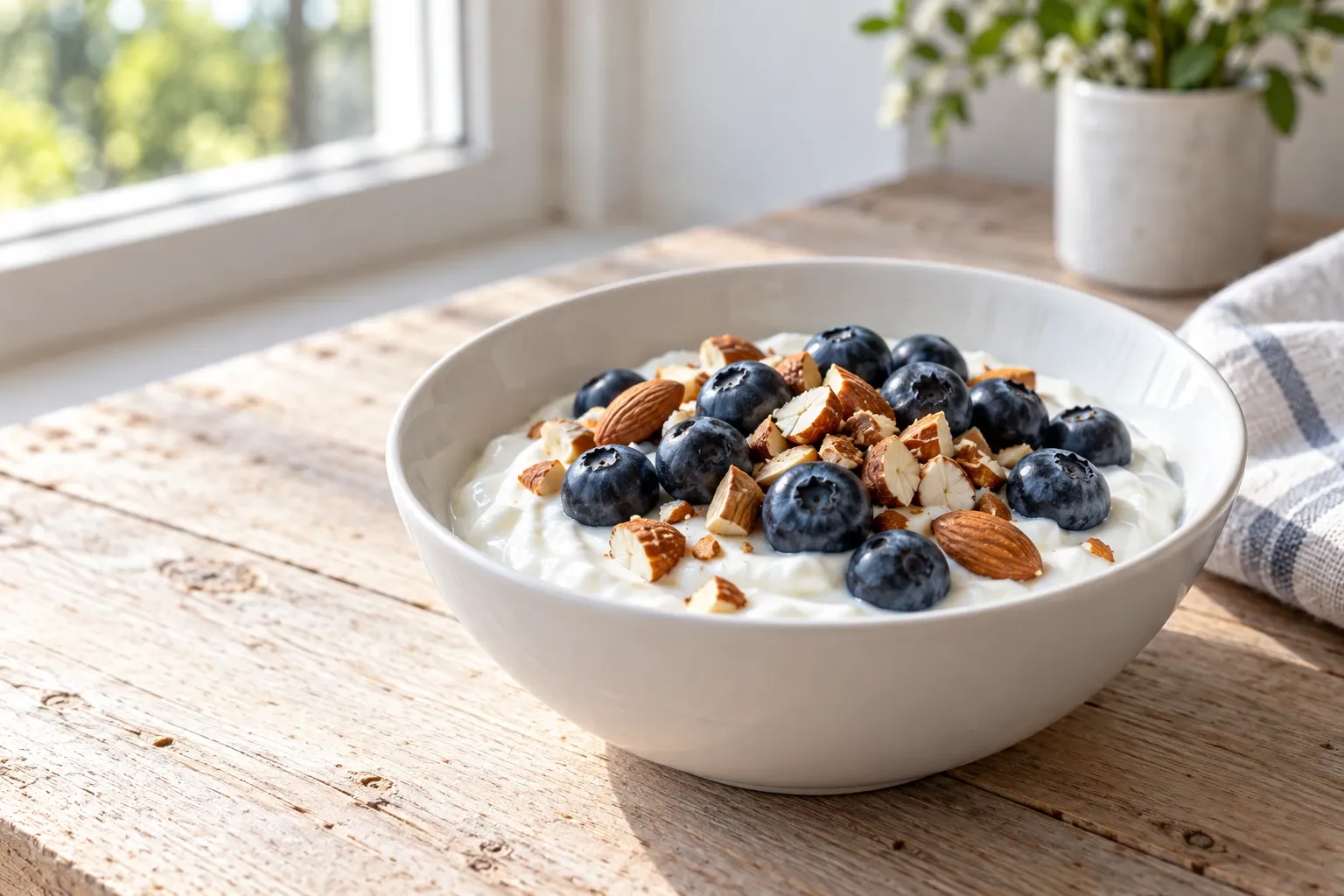
A snack can be as simple as yogurt from the fridge or something you assemble at your desk. The useful choice depends on what you enjoy, how much preparation you can manage, and whether the food will stay safely chilled. Start with a protein-containing food, then consider adding fruit, vegetables, or whole grains for variety. The examples below compare easy combinations, explain what to check on labels, and offer ways to make snacks work at home or on the go.
What makes a snack a useful choice?
A high-protein snack does not have to meet a universal gram target or replace a meal. Think about what you want from it: a quick bite before an appointment, something that can travel to work, or a small plate to bridge the time until dinner. A simple starting point is one protein-containing food plus a fruit, vegetable, or whole-grain food when that suits your appetite.
That pairing approach is consistent with USDA MyPlate’s suggestions, which include yogurt with berries, an apple with nut butter, and whole-grain crackers with turkey and avocado. Its healthy snacking tips also recommend looking for nutrient-rich options that are limited in added sugars, saturated fat, and sodium. You can use those as comparison points, not as a test every snack must pass.
Your broader eating pattern matters more than finding a perfect snack. For the bigger picture, see what balanced eating can look like. If you are planning protein across meals as well as snacks, protein-rich foods for everyday meals cover that wider subject; the combinations here stay focused on smaller, practical bites.
Which high-protein snacks are easy to assemble?
Choose the format that matches your time, appetite, and access to a refrigerator. Portions below are starting points, not requirements; adjust them to your needs and the product label.
| Snack idea | Practical starting portion | Useful detail |
|---|---|---|
| Plain Greek yogurt with berries | One single-serve container and a handful of berries | Buy plain and add fruit yourself if you want to control sweetness. |
| Cottage cheese with fruit | About ½ cup with peaches, pineapple, or berries | Check sodium on the label if that is a priority for you. |
| Nut butter with apple or celery | 1–2 tablespoons with sliced produce | Measure the spread if you want a consistent portion; nut butters are easy to over-scoop. |
| Hard-boiled egg with whole-grain crackers | One egg with a small serving of crackers | Cook or buy the egg ahead, then keep it chilled until eating. |
| Hummus with vegetables | A few spoonfuls with carrots, cucumber, or bell pepper | A convenient savory option; compare labels if you are watching sodium. |
| Roasted chickpeas or edamame | A small bowl or a pre-portioned pack | A crunchy plant-based choice; check whether salt has been added. |
| Cheese with grapes or apple slices | One cheese stick or a few cubes with fruit | Easy to portion, but needs cold storage. |
| Tuna or salmon with whole-grain crackers | A small pouch or portion with crackers | Keep fish chilled as directed and use it soon after opening. |
The serving details can vary substantially by brand and recipe. Cleveland Clinic’s snack roundup gives examples including a serving of plain, fat-free Greek yogurt with about 15 grams of protein and a half-cup of low-fat cottage cheese with more than 10 grams. Treat these as examples from that source, not guarantees for every tub or variety. Its high-protein snack ideas also suggest fruit pairings, hummus with vegetables, and nut butter with apple or celery.
For another quick comparison, Cleveland Clinic describes snack ideas in the 150-to-170-calorie range and says that, in its dietitian’s view, a snack above about 200 calories may be closer to a mini-meal. Those are practical examples and guidance from the article, not universal calorie limits. Hunger, activity, schedule, and the rest of your meals all affect what portion makes sense for you.
How do you choose a portion and check the label?
First, look at the serving size printed on the package. Nutrition numbers correspond to that serving, which may not match the amount you usually pour or spread. If you eat twice the listed serving, the listed protein, calories, sodium, and other nutrients will also be about twice as much. For loose foods such as nuts, try putting a portion in a small container rather than eating from a large bag when you want a clear idea of how much you have.
Then compare options that serve the same purpose. For yogurt, check the protein and added sugars for the container you would eat. For cottage cheese, hummus, crackers, or packaged roasted legumes, sodium may be worth comparing. For nut butter, check serving size and added ingredients, and remember that its protein comes alongside other nutrients and calories. No single number tells you whether a snack is right for you.
If you prefer a plant-based option, try edamame, roasted chickpeas, hummus, or nut butter. If you want something that needs little assembly, consider a yogurt cup, cheese stick, or a cooked egg. Fresh fruit or raw vegetables can add crunch and make a small portion feel more like a complete snack. If fiber is also on your mind, everyday high-fiber foods can help you think of additional pairings; fiber needs and tolerance vary, so increase it gradually if that is relevant to you.
How can you fit snacks into a busy day?
Make two or three combinations that suit your routine, then keep their components available. At home, wash produce and portion crackers, nuts, or roasted chickpeas into containers. For an office or car bag, choose shelf-stable foods such as a sealed nut-butter pack or a portioned roasted-legume snack, and add fresh fruit if convenient. Keep a spoon or napkin with the items that need one.
For a snack that needs refrigeration, plan for cold storage rather than relying on smell or appearance. The FDA says perishable foods should not be left at room temperature for more than two hours, or more than one hour if the air temperature is above 90°F. It also advises keeping a refrigerator at or below 40°F. Pack yogurt, cottage cheese, eggs, cheese, and opened fish with a cold source if they will be away from the fridge, and follow package storage directions.
You can also plan around the moment you usually get hungry. If meetings run through lunch, pack something that can be eaten quickly; if you are home, leave washed fruit near a ready-to-eat protein option. You do not need an elaborate prep session: setting aside a serving when you put groceries away can be enough to make the next choice easier.
How can you tell whether your snack is working for you?
After trying a combination, notice whether the amount was comfortable and whether it fit the gap before your next meal. If you are still hungry soon after, you might prefer a larger portion or an additional component, such as fruit with yogurt or crackers with tuna. If the snack feels too substantial, scale it down or choose a simpler pairing next time. These observations help personalize your routine without treating a particular calorie or protein number as a rule.
Variety can make the routine easier to maintain. Rotate sweet options such as yogurt and berries with savory ones such as hummus and vegetables, and keep a no-prep choice for busy days. Use package labels for the exact product you buy, keep perishable items cold, and choose foods that fit your preferences and budget. A useful snack is one you can prepare, store, and enjoy when you need it.
Frequently asked questions
How much protein should a snack have?
There is no single amount that makes a snack right for everyone. Consider the protein listed for the portion you actually plan to eat, along with how hungry you are and when your next meal is. A snack that combines protein with fruit, vegetables, or whole grains can offer more variety than choosing based on protein grams alone.
Are protein bars necessary for a high-protein snack?
No. Everyday foods such as yogurt, cottage cheese, eggs, beans, nuts, and nut butter can be snack components. If you choose a bar for convenience, compare its serving size, protein, added sugars, saturated fat, and sodium on the Nutrition Facts label. The best fit is one you like and can include comfortably in your routine.
How can I pack a high-protein snack safely?
For foods that need refrigeration, use an insulated lunch bag with a cold source and follow the food’s storage directions. The FDA advises that perishable food should not remain at room temperature for more than two hours, or one hour when the air is above 90°F. When you cannot keep a snack cold, choose a shelf-stable option instead.
In this section Nutrition