
Sleep apnea symptoms you can spot at night and by day
If you wake tired or someone says you snore, gasp, or stop breathing at night, it can be hard to know what those signs mean. Here are symptoms to notice, how diagnosis differs from screening, and what to discuss with a healthcare provider.
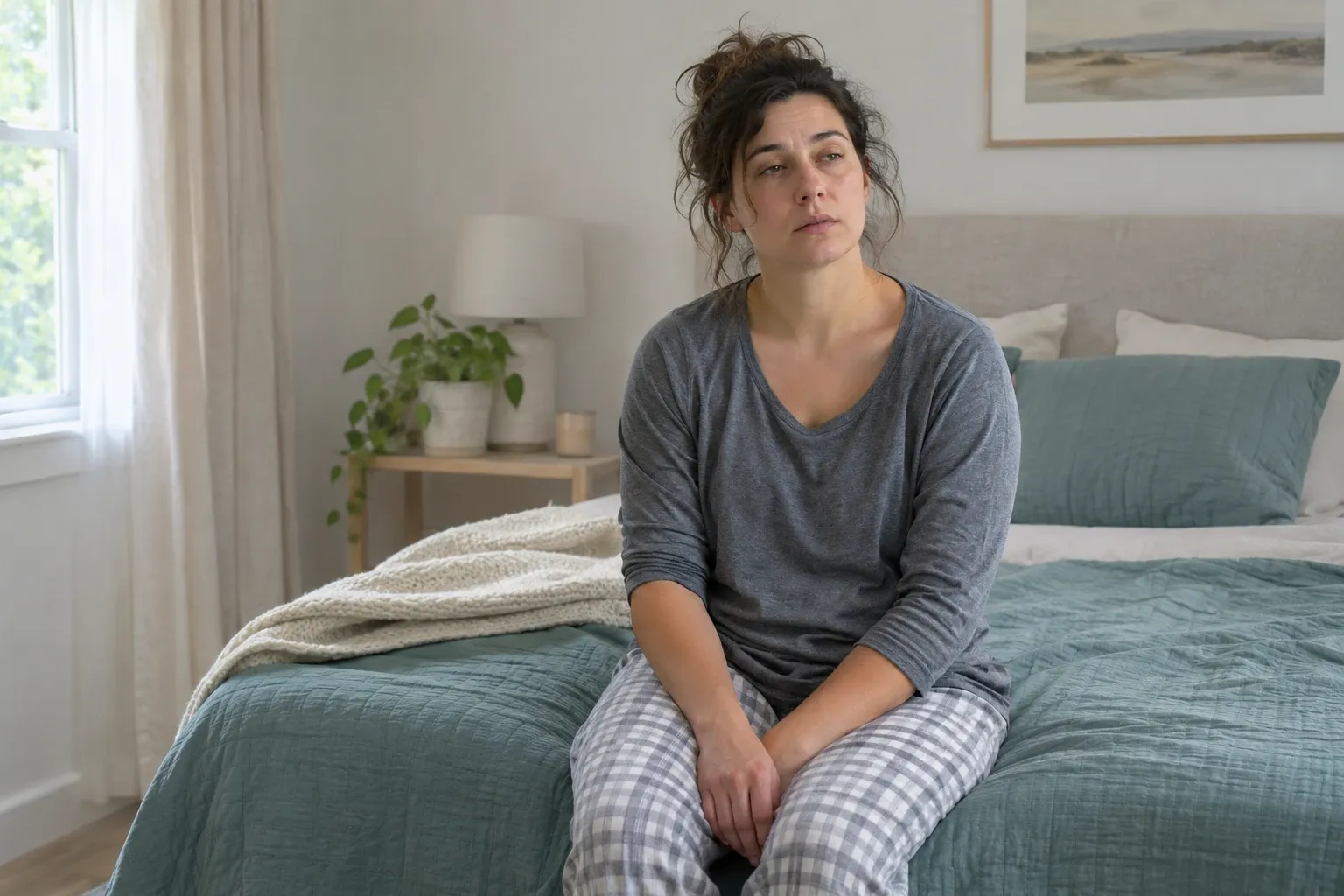
Sleep apnea can be difficult to spot because many of its clearest signs happen while you are asleep. You may notice only morning headaches, dry mouth, or trouble staying alert, while someone nearby notices snoring or pauses in your breathing. A symptom list can help you describe a pattern, but it cannot confirm the cause. Keep track of what you experience, ask a bed partner what they observe if you are comfortable doing so, and share those details with a healthcare provider.
What symptoms belong on a sleep apnea list?
Sleep apnea means breathing repeatedly becomes interrupted or reduced during sleep. In obstructive sleep apnea, the upper airway narrows or closes; central sleep apnea involves a problem with the signals that control breathing. A bed partner may notice signs you cannot observe yourself, while the effects of disrupted sleep may show up during the day.
According to the National Heart, Lung, and Blood Institute’s symptom list, signs during sleep can include:
- Breathing that starts and stops
- Frequent loud snoring
- Gasping for air
Daytime or waking symptoms can include sleepiness and tiredness, dry mouth, fatigue, headaches, insomnia, decreased libido, and waking often to urinate. These symptoms are not unique to sleep apnea. Their presence is a reason to discuss your health, not a way to diagnose yourself.
You might not remember brief awakenings or gasping. If you share a bedroom, you can ask the other person what they have noticed, without asking them to interpret it. If you sleep alone, write down what you notice on waking and during the day. The symptoms section also covers how to think through common symptoms and when to seek medical advice.
How do symptoms differ from a diagnosis?
A symptom list helps you decide what to mention at an appointment. A screening questionnaire or consumer device may help identify signs that warrant follow-up. Neither one, by itself, establishes that you have sleep apnea. Sleepiness, snoring, and headaches can have other explanations, and some people may not recognize their own nighttime breathing changes.
Diagnosis involves a healthcare provider assessing your symptoms and risk factors and deciding whether testing is appropriate. The NHLBI explains that a sleep study can help identify the type of sleep apnea and how serious it is. Depending on your circumstances, the study may take place in a sleep center or at home. A sleep diary can also help you track sleep duration and how sleepy you feel during the day, but it is not a substitute for diagnostic testing.
What should you tell a healthcare provider?
Be specific about what you have noticed and when it happens. You can describe how often you wake during the night, whether you wake gasping or with a dry mouth, and whether you feel sleepy or have trouble concentrating during the day. If someone has observed pauses in your breathing, snoring, or choking sounds, their description may be useful too.
A short sleep diary can make patterns easier to explain. Note when you go to bed and wake, nighttime awakenings you remember, how rested you feel, and episodes of daytime sleepiness. Also mention relevant medicines and health conditions. The NHLBI notes that providers may ask about symptoms, risk factors, family history, and medicines that can affect sleep or breathing. Bring questions about whether testing is appropriate and what the proposed test can and cannot tell you.
Do not treat an online checklist, a sleep score, or a device alert as a final answer. If you are considering a home test, ask your provider whether it is suitable for your situation and what to do if its result does not match your symptoms. A test result needs clinical interpretation in context.
What should you do if daytime sleepiness affects safety?
Sleepiness can interfere with attention and reaction time. If you are struggling to stay alert, especially behind the wheel, do not rely on caffeine or willpower to make driving safe. Stop driving and arrange a safer alternative if you feel drowsy. Tell your healthcare provider if sleepiness is affecting work, daily activities, or your ability to travel safely; a bed partner’s reports and your diary can help explain the concern.
Make an appointment to discuss repeated breathing pauses, gasping, loud frequent snoring, or persistent daytime sleepiness. You do not need to have every symptom on a list to raise the issue. If you already use treatment for sleep apnea but symptoms continue or return, contact your provider rather than changing treatment on your own. A provider can assess whether further evaluation is needed and discuss options. For information about one treatment approach, see how custom oral appliances may be used; whether a particular option fits depends on individual assessment.
Frequently asked questions
Can you have sleep apnea without loud snoring?
Yes. Loud, frequent snoring is one possible sign, but not everyone with sleep apnea snores noticeably, and a person may not know that their breathing pauses. Daytime sleepiness, waking with a dry mouth or headache, and frequent nighttime awakenings can also be relevant. Symptoms alone cannot establish the diagnosis, so discuss a concerning pattern with a healthcare provider.
Can a smartwatch or phone app diagnose sleep apnea?
A consumer device may track or flag sleep-related signals, but that information is not the same as a clinical diagnosis. The appropriate testing depends on your health history and symptoms; a healthcare provider can determine whether a sleep study is needed and which kind. If an app raises concern, share its findings rather than treating them as proof that you do or do not have sleep apnea.
Is it safe to drive if you feel sleepy during the day?
If you are struggling to stay awake, do not drive while drowsy. Sleep apnea is one possible reason for daytime sleepiness, but other causes are possible too. Arrange another way to travel if you are not alert enough to drive safely, and contact a healthcare provider about persistent or severe sleepiness. Do not wait for a test result to take an immediate safety concern seriously.
In this section Symptoms