 What really causes bad breath and what to do next
 Worried your breath isn’t fresh? Most cases start in your mouth, but some come from dry mouth, infections or medical issues. Here’s how to spot the source and act on it.

Clear, reliable health information for a healthier you
How do you keep teeth and gums healthy and handle common dental problems?
5 articles
What really causes bad breath and what to do next Worried your breath isn’t fresh? Most cases start in your mouth, but some come from dry mouth, infections or medical issues. Here’s how to spot the source and act on it.
The section guide
Bleeding when you brush, puffy gums, or bad breath can be easy to shrug off. But these are often early clues your gums need attention. Here’s how gum disease starts, who’s most at risk, the signs to watch, and the simple daily habits and professional treatments that actually help. You’ll also find tips to choose home-care tools, put a routine in place, and know if it’s working.
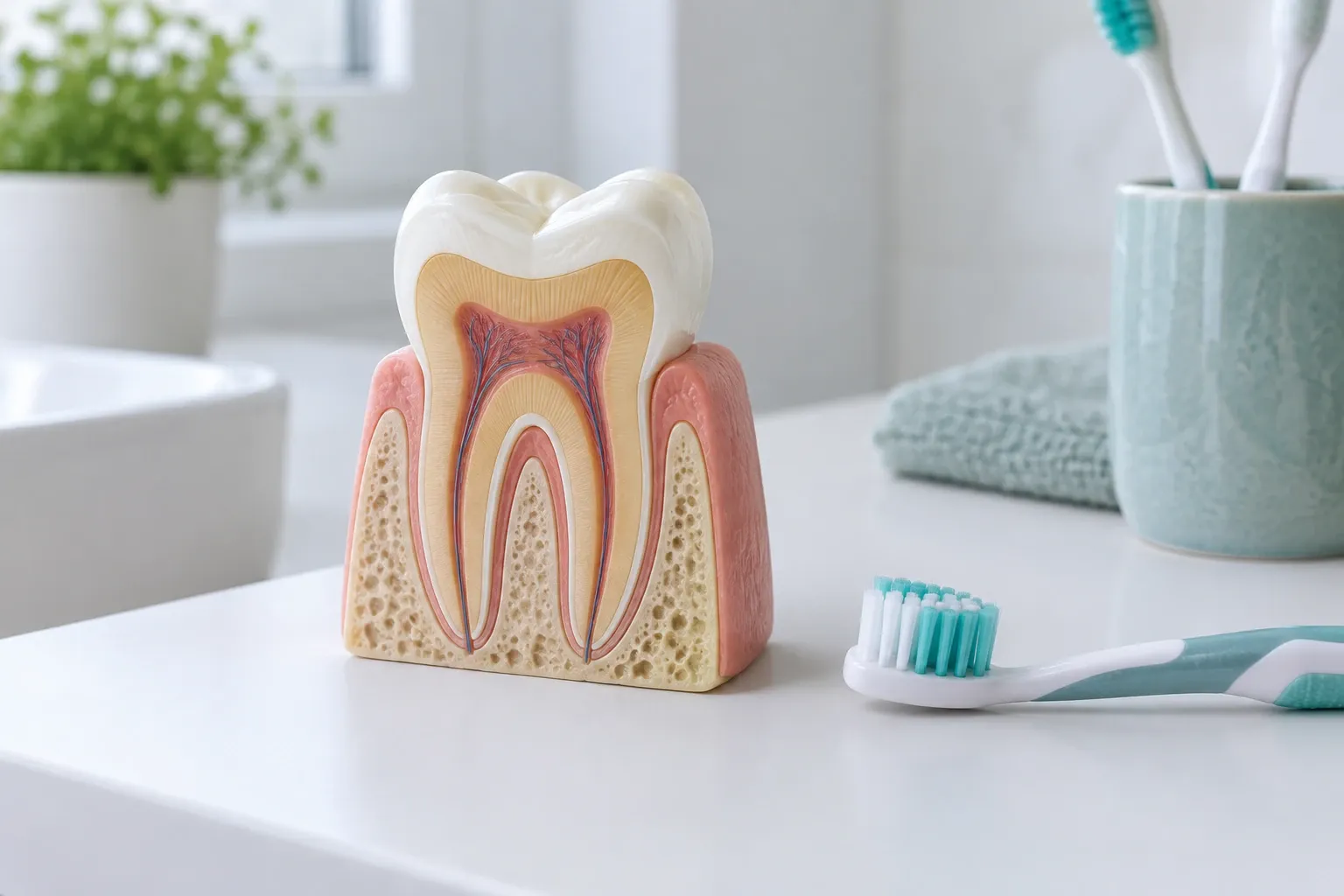
Gum disease means inflammation and infection of the tissues that support your teeth. Gingivitis affects only the gums and is reversible; periodontitis involves bone loss around teeth and cannot be reversed, but it can be managed with treatment, according to the National Institute of Dental and Craniofacial Research. About 4 in 10 U.S. adults ages 30 and older had some level of periodontitis in 2009–2014, and rates are higher with age, per the CDC.
Early gum disease can be quiet. Common signs include gums that are red, swollen or tender; bleeding when you brush or floss; gum recession; loose or sensitive teeth; and painful chewing—warning signs summarized by the CDC. Sensitivity can also come from enamel wear or exposed roots; if that’s new for you, see our explainer on tooth sensitivity causes.
Bad breath that won’t go away can point to plaque buildup and gum inflammation. If that’s a concern, start with daily cleaning and read more about common bad breath causes.
Smoking, diabetes, poor oral hygiene, certain medications with dry-mouth effects, stress, hormonal changes (like pregnancy or menopause), and some systemic conditions are linked with higher gum disease risk, according to the CDC.
Curious about whitening while keeping gums calm? See what actually works in teeth whitening and check labels for sensitivity warnings.
If you’re refining your technique, walk through our step-by-step on how to floss correctly.
Book a dental visit promptly if you notice bleeding gums, persistent bad breath, gum recession, loose teeth, or pain with chewing. Dentists diagnose gum disease and remove tartar; primary-care offices don’t routinely screen for it, and the U.S. Preventive Services Task Force finds evidence insufficient to recommend for or against such screening in asymptomatic adults (USPSTF).
For periodontitis, common first-line care is scaling and root planing (a deep cleaning) to clear plaque and tartar below the gumline. Dentists may add medicated rinses or gels, and advanced cases can need surgery; the goal is to control infection and stop further damage, explains NIDCR. To understand progression over time, see the stages of gum disease.
In a few weeks, gums that bled may bleed less, look less red and feel less puffy. Your dental team can measure pocket depths and track changes over time. If bleeding persists or pockets deepen despite daily care, ask about a periodontal evaluation; early treatment improves control of disease, according to NIDCR.
Gingivitis is early, reversible inflammation of the gums that may cause redness, swelling and bleeding. If plaque and tartar continue to build, inflammation can extend deeper and damage bone—this is periodontitis, which is not reversible but can be controlled with professional care and good home hygiene, according to the National Institute of Dental and Craniofacial Research.
CDC estimates that about 4 in 10 U.S. adults ages 30+ had some level of periodontitis in 2009–2014, with higher rates in older adults. That makes gum disease a very common condition worth catching early and managing with regular dental care and daily plaque removal.
Brush twice daily with a fluoride toothpaste for two minutes and clean between your teeth once a day; these are core recommendations from the American Dental Association. Consistent plaque removal helps prevent gingivitis from progressing to deeper gum disease.
The U.S. Preventive Services Task Force says evidence is insufficient to recommend for or against routine periodontal screening in asymptomatic adults in primary care. Dentists and dental hygienists are trained to examine gums and remove tartar, so regular dental visits remain important.
Dentists often start with scaling and root planing (a deep cleaning) to remove plaque and tartar under the gums. Depending on severity, they may add medicated rinses or gels and, in some cases, surgery; the goal is to control infection and stop further damage, per NIDCR guidance.