
From bleeding gums to loose teeth: how gum disease progresses and what you can do
Bleeding when you brush, bad breath, or gums that look puffy can be early gum disease. Here’s how it progresses, how dentists stage it, and the treatments that actually help.
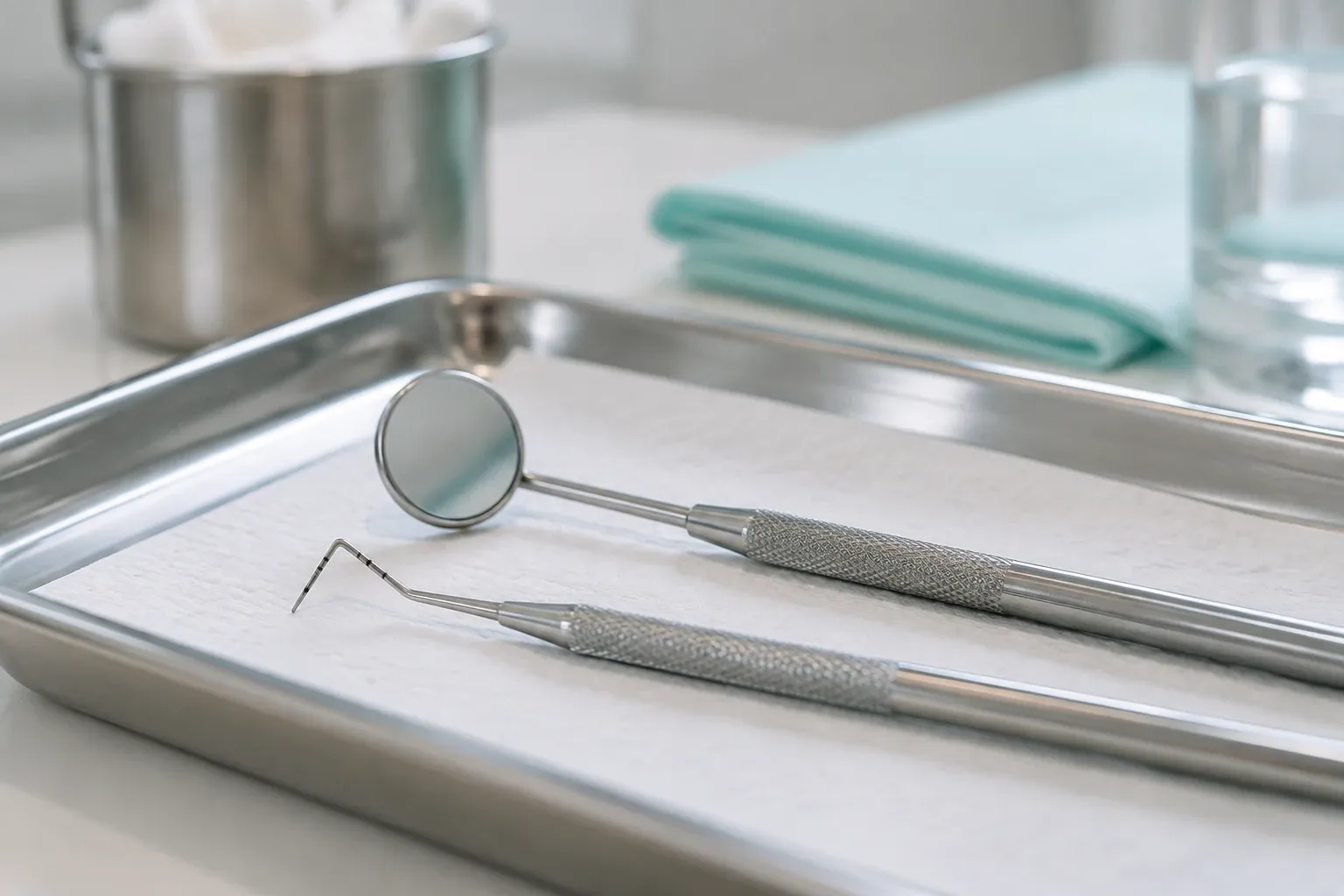
If your gums bleed when you floss or your breath stays bad no matter how often you brush, you’re not alone. Periodontitis—the advanced form of gum disease—affects about 4 in 10 U.S. adults 30 and older. The good news: gum disease is largely preventable, and early forms can be reversed with the right care. Below, you’ll learn how gum disease starts, how dentists classify it, when to seek care, which treatments work, and how to track recovery, all based on public, evidence‑based sources.
What is gum disease and why does it matter?
Gum disease is an infection and inflammation of tissues that support your teeth. It begins when dental plaque hardens into tartar and triggers an inflammatory response; left unchecked, it can damage bone and lead to tooth loss. Two common types are gingivitis (early, reversible) and periodontitis (advanced, with bone loss). These distinctions and symptoms are outlined by the Centers for Disease Control and Prevention.
How does gum disease progress—from gingivitis to periodontitis?
- Gingivitis: gums look red or swollen and may bleed easily. With consistent daily care plus professional cleanings, gingivitis can resolve. This progression and reversibility are described by the CDC.
- Periodontitis: bacteria and inflammation spread below the gumline, forming deeper pockets around teeth and causing bone loss. Periodontitis cannot be reversed, but it can be slowed and managed with treatment, per the CDC.
Dentists also use a modern staging and grading system to describe severity (Stage I–IV) and risk of progression (Grade A–C). This 2017 system from specialty and professional bodies is summarized by the American Dental Association and by the American Academy of Periodontology.
How can you tell it’s time to see a dentist?
See a dentist promptly if you notice any of these: red, swollen or tender gums; bleeding; gums receding; loose or sensitive teeth; pain with chewing; a bite that feels different. These warning signs are listed by the CDC.
At an exam, your dental team will probe and record pocket depths around each tooth and may take X‑rays to check bone levels. In healthy mouths, pockets are usually 1–3 mm; deeper readings can signal disease, according to the National Institute of Dental and Craniofacial Research.
Which treatments work at each stage?
- Gingivitis: daily brushing with fluoride toothpaste, interdental cleaning, and routine professional cleanings usually restore gum health. This approach is aligned with guidance from the CDC and NIDCR.
- Mild to moderate periodontitis: first‑line care is non‑surgical “deep cleaning” called scaling and root planing (SRP) to remove plaque and tartar below the gums. The ADA’s evidence‑based guideline identifies SRP—often without adjuncts—as the treatment of choice for most patients with periodontitis, with medicines (such as sub‑antimicrobial dose doxycycline or localized antibiotics) considered in select cases. See the ADA’s overview on periodontitis.
- Advanced or persistent disease: some people need surgical procedures to reduce pocket depth or regenerate lost support, as described by the ADA.
What daily routine best protects your gums?
- Brush twice a day with fluoride toothpaste and clean between teeth daily. NIDCR notes you can use floss or other interdental tools to remove plaque your brush can’t reach; only professionals can remove hardened tartar. Guidance appears on the NIDCR page.
- Don’t smoke or vape; tobacco worsens gum disease and healing, per NIDCR.
- Keep regular checkups and cleanings; ask your dentist to review your technique and risk factors like diabetes, which is associated with periodontitis in CDC materials.
If you’re building healthier habits, our section hub on keeping teeth and gums healthy walks through daily care and common dental problems. You can also brush up on how to floss if you’re getting started or switching tools. If you’re considering cosmetic changes, remember that teeth whitening improves color but doesn’t treat gum infection.
How do you track progress after treatment?
- Short‑term healing: after SRP, gums typically show their best early response around 4 weeks; your dentist will often re‑measure pockets, bleeding and plaque then, according to the ADA.
- Long‑term maintenance: people who’ve had periodontitis remain susceptible and generally need lifelong supportive periodontal care. Many benefit from more frequent periodontal maintenance—often every 3–6 months—to remove subgingival plaque, monitor pocket depth and adjust care, as summarized by the ADA’s periodontitis topic page.
Who is most affected in the U.S.?
Periodontitis is common: roughly 4 in 10 adults 30 and older had some level of the disease in 2009–2014, and it becomes more common with age, according to the CDC. Knowing your risk (for example, smoking or diabetes) helps you and your dentist tailor prevention and follow‑up.
If you notice bleeding gums, don’t wait. Early care makes a big difference, and dental teams can match treatment to your stage using today’s staging and grading system endorsed by the ADA and specialty societies. Learn more in the ADA overview of periodontitis and the AAP’s summary of the 2017 classification.
Frequently asked questions
Is gingivitis reversible?
Yes. Gingivitis is the mildest form of gum disease and can usually be reversed with daily brushing and flossing plus professional cleanings. If untreated, it can progress to periodontitis, which involves bone loss and cannot be reversed, only managed with treatment, according to the Centers for Disease Control and Prevention.
Does gum disease always hurt?
Not necessarily. Gum disease can become serious before you notice symptoms. Warning signs include red, swollen gums, bleeding, gum recession, loose teeth, painful chewing, or changes in your bite. A yearly dental checkup helps catch problems early, notes the CDC.
Will I need antibiotics for gum disease?
Not always. First‑line treatment for periodontitis is deep cleaning called scaling and root planing. Dentists may add medicines such as an oral rinse or locally applied antibiotics in some cases, or consider surgery if disease is advanced, according to CDC guidance and the American Dental Association.
How soon should I be re‑checked after deep cleaning?
After scaling and root planing, gums typically show optimal tissue response around four weeks. Your dentist will often reassess pockets, bleeding and home care at that visit and decide whether more treatment or maintenance is needed, according to the ADA’s periodontitis topic page.
How often is maintenance after treatment?
Maintenance intervals are individualized. Many patients benefit from more frequent periodontal visits—often every 3–6 months—so the team can remove plaque below the gums, monitor pocket depth and adjust care, according to the ADA’s summary of the evidence.
In this section Dental Health