
A heart-healthy diet plan you can shop for and follow
If you want to eat in a more heart-conscious way, you do not need a special product or a perfect menu. A flexible plan can help you choose meals, shop for useful staples, and make gradual changes that fit your routine.
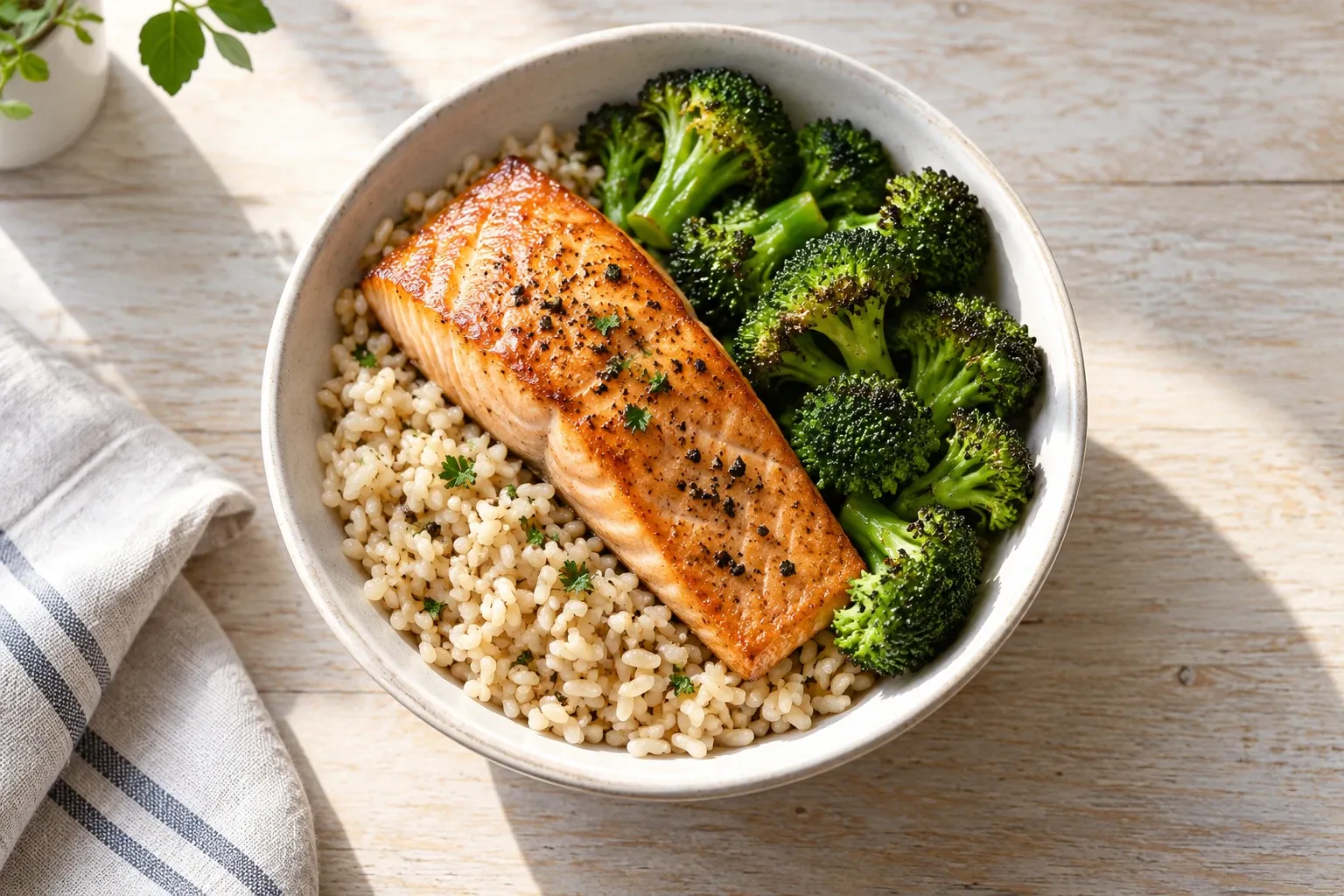
A heart-healthy diet plan is easiest to use when it turns broad nutrition advice into meals you already know how to make. Think in terms of patterns across the week: vegetables and fruit, whole grains, beans or other protein foods, and unsaturated fats, with less sodium, added sugar, and saturated fat. That leaves room to adapt for budget, cooking time, culture, and appetite.
Below, you’ll find practical criteria, a way to compare a general eating pattern with DASH, and a sample approach to planning meals and groceries. It is a starting point, not an individualized prescription; health conditions and calorie needs can change what is appropriate.
What makes a diet plan heart-conscious?
Look at the overall pattern rather than searching for one “heart-healthy” food. The American Heart Association’s 2026 guidance emphasizes a pattern across meals and snacks, including vegetables and fruit, mostly whole grains, suitable protein choices, and unsaturated fats in place of saturated fats. It also advises minimizing added sugars and sodium, and limiting alcohol; if you do not drink, it says not to start. You can use those principles whether you cook at home, buy prepared foods, or eat out, according to the American Heart Association’s 2026 dietary guidance.
For everyday choices, build meals around foods such as vegetables, fruit, oats or brown rice, beans, nuts, seeds, fish, and plant oils. Choose lower-fat dairy or leaner protein options if they suit your preferences. Then pay attention to what you are having less often: processed meats, foods high in saturated fat, very salty packaged meals, and sweetened drinks or snacks. A balanced way to build everyday meals can include familiar foods from many cuisines; the aim is a workable pattern, not a list of forbidden ingredients.
Which numbers can help you compare options?
Use numbers as reference points, not as a personal prescription. NHLBI says adults and children over age 14 should consume less than 2,300 milligrams of sodium per day; some people, including those with high blood pressure, may need a different target from their health care provider. NHLBI also says saturated fat should account for less than 10% of daily calories. Those are daily totals, so compare the sodium and saturated fat in the foods you buy and consider how they add up across meals, rather than judging one item in isolation. These limits and shopping suggestions appear in the NHLBI’s heart-healthy food guidance.
DASH is a specific eating plan with daily and weekly food-group targets for different calorie levels, not a menu everyone must copy. For its 2,000-calorie example, NHLBI lists 4 to 5 servings each of vegetables and fruit per day, 6 to 8 servings of grains, and 2 to 3 servings of low-fat or fat-free dairy. The example also lists 4 to 5 weekly servings of nuts, seeds, dry beans, and peas. It gives 2,300 milligrams of sodium as a target in the table and notes that 1,500 milligrams lowers blood pressure further than 2,300 milligrams. These figures describe the DASH example, not a one-size-fits-all prescription; see the NHLBI DASH plan and serving targets for its full context.
How can you turn the pattern into meals?
Start with your usual schedule. Pick a few breakfasts, lunches, and dinners you like, then adjust one element at a time. For example, pair oatmeal with fruit and unsalted nuts; make a grain bowl with brown rice, vegetables, beans, and a modest amount of dressing; or serve fish or tofu with vegetables and a whole grain. These are examples, not required recipes. Swap ingredients to match what is affordable, available, and familiar to you.
A simple meal-planning method:
- Choose a vegetable or fruit to include with each meal when practical.
- Pick a grain or other filling base, such as oats, whole-grain bread, brown rice, or potatoes.
- Add a protein food, such as beans, lentils, fish, eggs, tofu, poultry, or nuts.
- Use oils, nuts, seeds, or avocado when you want a source of unsaturated fat.
- Season with herbs, spices, citrus, garlic, or vinegar, and taste before adding salt.
For grocery shopping, write the list from the meals you chose rather than buying ingredients with no planned use. Useful staples might include frozen vegetables, apples or other fruit, plain oats, whole-grain bread, dry or no-salt-added canned beans, and a protein you enjoy. Check package labels for serving size, sodium, saturated fat, and added sugars. NHLBI suggests comparing sodium for the same serving size and choosing lower-sodium or no-salt-added products when possible.
If you are increasing beans, whole grains, fruit, and vegetables, make changes in steps and notice how you feel. Those foods can add fiber, which is useful for many people but may need a gradual increase if you are not used to it. For constipation specifically, see how to add fiber gradually and safely; you can also explore everyday foods that contain fiber for meal ideas.
How do you compare a flexible plan with DASH?
A general heart-conscious pattern gives you broad priorities, while DASH offers a more structured framework with serving ranges. If you like clear targets and are also discussing blood pressure with a clinician, DASH may be a useful pattern to ask about. If tracking servings feels burdensome, you can still use the broad principles to choose more minimally processed foods, include produce and whole grains, and compare packaged foods for sodium and saturated fat.
Neither approach requires a special shopping aisle. You can choose fresh, frozen, or canned foods, and use meals prepared at home or elsewhere. What matters is the combination over time. A DASH serving target also depends on calorie needs; NHLBI notes that the number of servings varies with daily calorie needs. If you have kidney disease, heart failure, diabetes, food allergies, take medicines that affect potassium or fluid balance, or have been given a sodium restriction, ask your clinician or registered dietitian how to adapt the plan before making major changes.
How can you tell whether your plan is working for you?
Review the process, not just a single meal or weigh-in. After a week or two, ask whether your grocery list was realistic, whether you had foods ready when you were busy, and which swaps you actually enjoyed. If you repeatedly run short on time, choose more convenient versions such as frozen produce or low-sodium canned beans. If meals feel unsatisfying, consider whether they include enough food and a protein source that works for you.
You can also compare labels on products you buy often and look for ways to reduce sodium, saturated fat, or added sugar without making the food unappealing. A heart-healthy diet plan should fit alongside your medical care, not replace it. If you have a diagnosed condition or a clinician has set a specific nutrition target, bring your usual meals or questions to an appointment so the advice can be tailored to you.
Frequently asked questions
Do I have to follow DASH for a heart-healthy diet?
No. DASH is one established pattern, but a heart-healthy approach can also be built around the same broad priorities: more vegetables, fruit, whole grains, and suitable protein sources, while limiting sodium, added sugars, and saturated fat. Choose a structure you can maintain. If you have a medical condition or a clinician has given you specific nutrition advice, use that guidance when adapting your meals.
What should I check first on a food label?
Start with serving size, then compare sodium and saturated fat for products you might use in similar ways. Check added sugars when choosing drinks, cereals, yogurt, or packaged snacks. Compare like-sized servings where possible; otherwise a product may appear lower simply because its listed serving is smaller. The overall meal matters too, so consider how a packaged food fits with the rest of what you eat.
Can frozen or canned foods fit into this plan?
Yes. Frozen vegetables and fruit, and canned beans or fish, can make meal planning more convenient. For canned and packaged items, compare sodium on the label and choose lower-sodium or no-salt-added options when available. If a product is salty, you can sometimes use a smaller amount or balance it with unsalted ingredients. Convenience does not automatically make a food unsuitable.
How can I use more fiber without upsetting my stomach?
Add fiber-containing foods in manageable steps rather than changing every meal at once, and drink fluids as appropriate for your health. Beans, fruit, vegetables, oats, and whole-grain foods are common options. If constipation is the reason you are changing your diet, or symptoms persist, ask a health professional for advice; increasing fiber is not the right answer for every cause of digestive symptoms.
In this section Nutrition