
Eating to calm chronic inflammation without chasing fads
You’ve heard that food can dial inflammation up or down, but it’s hard to tell hype from help. Here’s how to build anti‑inflammatory meals you’ll actually eat, with evidence you can check.
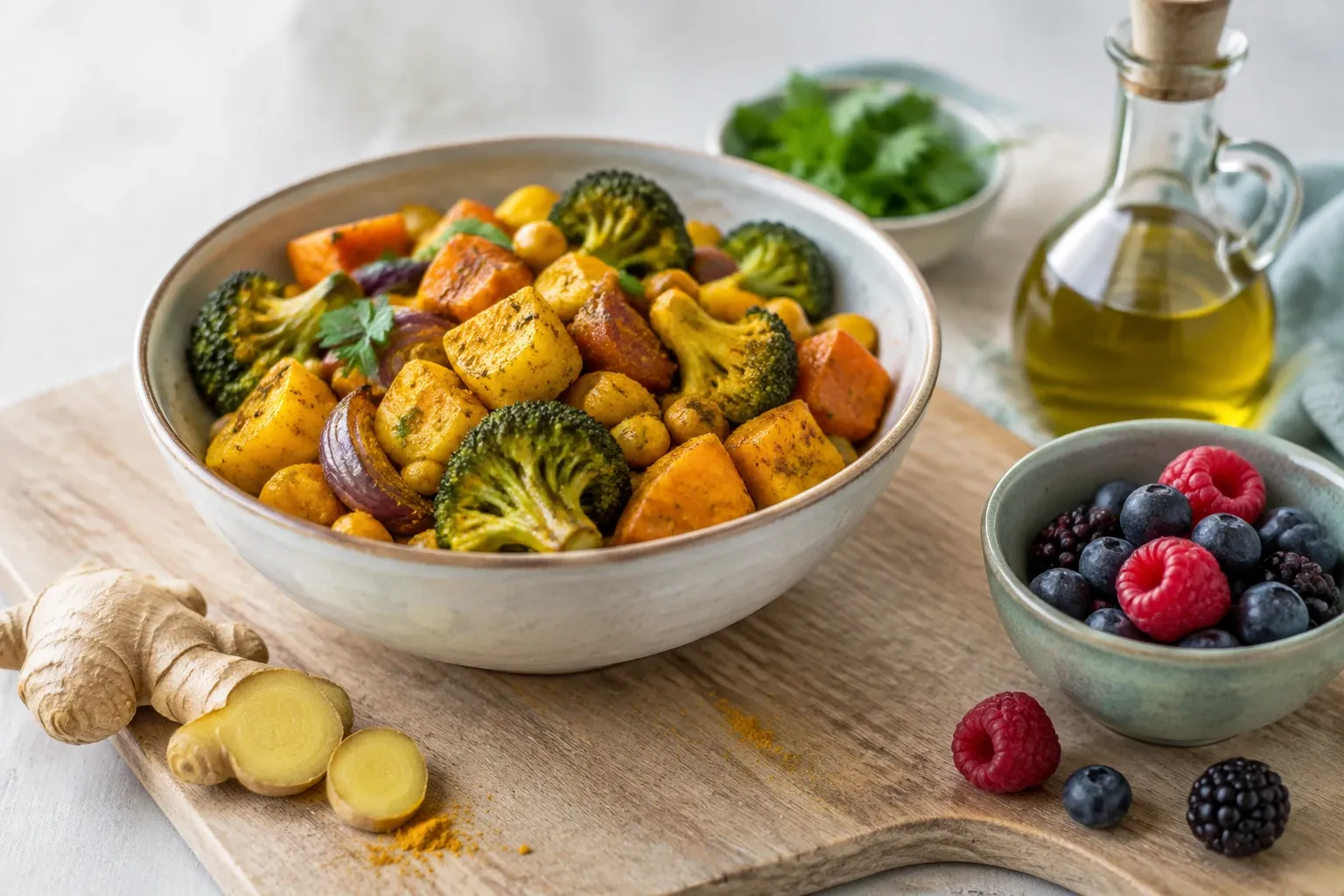
If you’re dealing with sore joints, blood sugar swings, or a family history of heart disease, you’ve probably searched for an “anti‑inflammatory diet.” The good news: you don’t need a strict plan or special products. A plant‑forward, whole‑foods way of eating can lower markers of chronic inflammation while supporting heart and metabolic health. Below, you’ll learn which foods to favor, which to trim back, which eating patterns fit the bill, and how to put it on your plate day to day—plus how to tell if it’s working for you.
What does “anti‑inflammatory” eating really mean?
There isn’t a single, official anti‑inflammatory diet. Instead, research points to patterns—especially Mediterranean‑style eating—rich in vegetables, fruits, whole grains, legumes, nuts, olive oil and fish, while cutting back on refined carbs, sugary drinks and processed meats, which together are linked with lower chronic inflammation and disease risk, according to Harvard Health.
Which food choices matter most day to day?
- Load half your plate with colorful vegetables and fruits and include intact or minimally processed whole grains and beans. Diets higher in these foods are associated with lower inflammatory potential and cardiovascular risk in large cohorts supported by the NIH’s heart institute, notes an NHLBI summary of a JACC study.
- Choose healthier fats: favor olive oil, nuts and seeds; keep saturated fats modest. Include oily fish regularly for omega‑3s; the American Heart Association recommends two fish meals per week.
- Trim refined starches, sugary drinks and ultra‑processed snacks. Diet patterns high in these items track with higher inflammatory markers and heart risk, per the NHLBI‑supported analysis and Harvard Health.
If you’re rebuilding your overall approach to meals, see our overview of what a balanced way of eating looks like.
Which eating patterns fit the bill—and how do they differ?
- Mediterranean‑style: Lots of plants, olive oil as the main fat, frequent fish, modest dairy, minimal processed meat and sweets. This pattern is frequently cited as an anti‑inflammatory template in Harvard Health’s review.
- Other whole‑food, plant‑forward patterns: You can get similar benefits when you build meals from the same building blocks (vegetables, fruits, whole grains, legumes, nuts, and healthier fats) and limit refined, sugary and ultra‑processed foods; this overlap is highlighted by Harvard Health and supported by large cohort data summarized by the NHLBI.
Bottom line: pick the pattern you can maintain. The shared features—plants, fiber, healthy fats, fewer refined and processed foods—drive the benefits.
How do you put this on your plate this week?
- Breakfast: Oatmeal cooked with olive oil or nut butter, topped with berries and walnuts; or whole‑grain toast with hummus and sliced tomatoes.
- Lunch: Lentil and vegetable soup with a side salad and olive‑oil vinaigrette; or salmon over quinoa with leafy greens and citrus.
- Dinner: Sheet‑pan veggies with chickpeas and tahini‑lemon sauce; or whole‑wheat pasta tossed with olive oil, sardines, spinach and capers.
- Snacks: Fruit, unsalted nuts, yogurt with chia, or carrots and edamame.
If you aim to keep protein satisfying while staying plant‑forward, you can lean on beans, lentils, tofu and fish; for ideas, see our roundup of higher‑protein foods you can rotate and how to think about your daily protein target.
Do you need supplements—or is food enough?
Whole foods should be your foundation. If you’re considering supplements for inflammation or joint symptoms, review safety and interactions and speak with your clinician first; the NIH’s integrative health center offers practical cautions in its tips on nutritional approaches for musculoskeletal inflammation.
How will you know it’s working?
- Everyday signs: more stable energy, fewer ultra‑processed snacks, a grocery cart that skews plant‑forward, and gradual weight stability if that’s a goal.
- Medical markers: your clinician may track blood pressure, fasting glucose, lipids and inflammatory markers such as C‑reactive protein alongside your symptoms and medications; these are commonly discussed in Harvard Health’s overview.
Remember, food is one lever. Regular activity and sleep also influence inflammation; the same Harvard source notes that aerobic exercise helps counter chronic inflammation, and the AHA’s fish guidance fits neatly into this overall pattern.
Frequently asked questions
Is there an official anti‑inflammatory diet I should follow?
No single official plan exists. Large health organizations and academic sources point you toward patterns—especially Mediterranean‑style eating—built on vegetables, fruits, whole grains, legumes, nuts, olive oil and fish, while limiting refined carbs, sugary drinks and processed meats. That overall pattern is what’s linked with lower inflammation, not a trademarked plan.
How fast could food changes affect inflammation?
Diet changes can start improving blood lipids and glucose in weeks, but measurable shifts in inflammatory markers like C‑reactive protein may take longer and vary by person. Think in months, not days, and combine diet with sleep, activity and stress management for the best chance of benefit.
Do I need supplements for an anti‑inflammatory effect?
Not necessarily. Whole foods carry fiber and bioactive compounds that work together. If you’re considering supplements (like omega‑3 capsules or turmeric), review safety and evidence and talk with your clinician, especially if you take medications or have bleeding risks.
How much fish should I eat for omega‑3s?
A practical target is about two servings of fish per week, especially oily fish such as salmon, sardines or trout. This aligns with heart‑health guidance and supplies EPA and DHA, long‑chain omega‑3 fats linked with cardiometabolic benefits.
Can I eat meat on an anti‑inflammatory diet?
Yes—focus on portions and frequency. Choose fish and plant proteins more often, and keep processed meats and large servings of red meat occasional. Build meals around plants and use meat as one element instead of the main event.
In this section Nutrition