
How to use fiber for constipation, gradually and safely
When bowel movements are hard, infrequent, or difficult to pass, adding fiber may be one useful step, but a sudden increase can cause gas and bloating. Learn how to raise fiber gradually, what soluble fiber means, and when ongoing symptoms or warning signs call for medical advice.
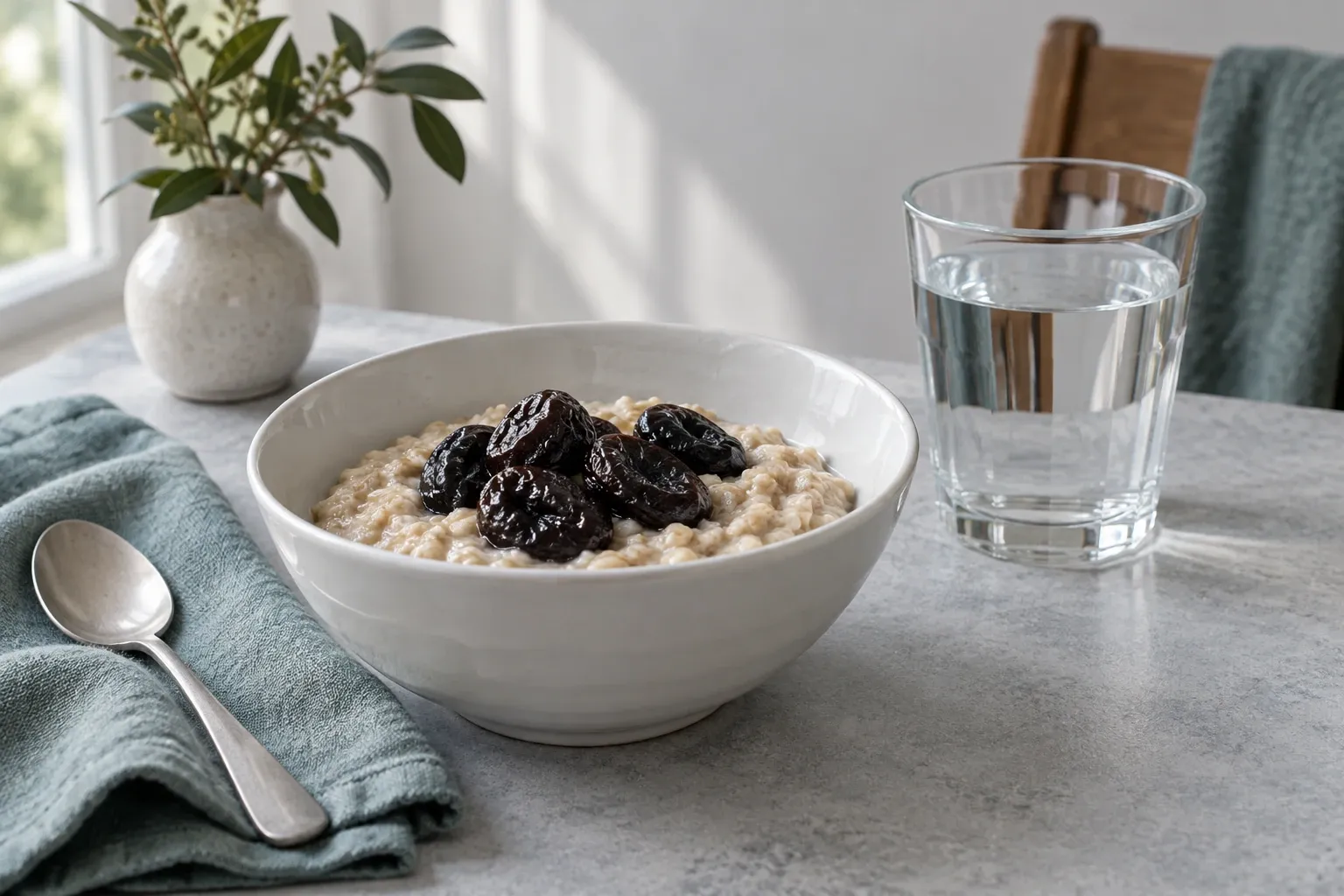
You may be constipated if you are going less often than usual, straining, or passing hard, dry stools. Fiber can help, but more is not automatically better: the pace of change, fluids, your health, and the reason for your symptoms all matter. A practical approach is to check your current routine, increase fiber in manageable steps, and notice how your body responds. If symptoms persist or come with concerning signs, food changes should not take the place of medical care.
What does constipation look like in your usual routine?
Frequency alone does not tell the whole story. Constipation can involve hard, dry, or lumpy stool, straining, pain while passing stool, or a feeling that you have not fully emptied. The National Institute of Diabetes and Digestive and Kidney Diseases (NIDDK) lists fewer than three bowel movements a week as one possible symptom, but a change from your personal pattern and the difficulty of passing stool matter too. If you are unsure what is normal for you, note how often you go and whether stools are hard or painful.
Fiber is the part of plant foods that your body does not fully digest. It can help add bulk to stool, while some types also hold water. NIDDK says adults generally need 22 to 34 grams a day, with the amount depending on age and sex. That range is a general target, not a promise that reaching a particular number will resolve constipation. For broader meal-planning context, see how to build a balanced way of eating.
How should you increase fiber without overdoing it?
Start by estimating what you already eat instead of trying to reach a target overnight. Look at food labels and consider your usual meals over several days. Then add one fiber-containing choice at a time, such as switching one refined grain for a whole-grain version or including beans with a meal. Keep the change steady long enough to notice whether it suits you before adding another. NIDDK advises increasing fiber a little at a time so your body can adjust.
A rapid jump may bring gas, bloating, or abdominal discomfort. If that happens, pause further increases and consider returning to a pace you tolerate. Drinking fluids alongside fiber helps it work better, but there is no single fluid amount that suits everyone. NIDDK advises asking a health professional how much to drink based on factors such as your health, activity, size, and where you live. Follow any fluid limits you have been given for a medical condition.
Does the type of fiber matter?
Soluble fiber dissolves in water and forms a gel-like material; insoluble fiber does not dissolve in water and helps add bulk. Foods often contain a mix. Rather than trying to classify every ingredient, you can diversify your choices and notice which foods you tolerate. Oats, beans, and fruit are examples of foods that contribute fiber; this page focuses on how to use fiber for constipation, not on repeating a full food list. For meal ideas and more examples, see ways to add fiber to everyday meals.
If you have a sensitive digestive system, a large portion of a high-fiber food may feel uncomfortable. Try a modest serving and increase only if it sits well. There is no requirement to use a supplement if you can meet your needs with food. If you consider a supplement, ask a clinician or pharmacist whether it is suitable for you, particularly if you have a digestive condition, take prescription medicines, or have been told to limit fluids. Use the product label rather than guessing at a dose.
What else can support a practical plan?
Fiber is only one factor. NIDDK notes that constipation can also be linked to not drinking enough fluids, low physical activity, changes in routine, ignoring the urge to go, some health conditions, and certain medicines or supplements. If constipation began after starting or changing a medicine, ask the prescriber or pharmacist whether it could be contributing. Do not stop a prescribed medicine on your own.
A routine can make it easier to respond to your body’s signals: go when you feel the urge, and allow unhurried bathroom time. MedlinePlus suggests regular activity and gives walking, swimming, or another active choice three or four times a week as examples. That is guidance from its self-care page, not a personalized exercise prescription; choose activity that is appropriate for your health and abilities.
Fluid advice can look different across sources. MedlinePlus lists eight to ten cups of liquids, or about two to two and a half liters, as general self-care guidance, while NIDDK recommends asking for an amount tailored to your circumstances. Because needs and medical restrictions vary, do not treat the cup figure as a universal target. Follow your clinician’s fluid advice if you have one.
How can you tell whether the changes are helping?
Keep a simple record for a short period: what you changed, how often you have a bowel movement, whether stool is hard, and whether straining or discomfort changes. This can help you describe the pattern to a health professional. Look for a trend in comfort and ease rather than expecting an immediate or guaranteed result. If your intake is already adequate, adding more may not address the underlying cause.
If symptoms continue despite reasonable self-care, recur frequently, or interfere with daily life, contact a health professional. Constipation has multiple possible causes, including medication effects and conditions that affect how stool moves or how the bowel empties. A clinician can review your symptoms and medicines and decide whether more evaluation or a different treatment is needed.
NIDDK advises seeking medical help promptly for constipation with rectal bleeding or blood in stool, constant abdominal pain, inability to pass gas, vomiting, fever, lower back pain, or unexplained weight loss. Do not respond to these warning signs by rapidly increasing fiber or waiting for a diet change to work. If symptoms are severe or rapidly worsening, seek urgent care.
Frequently asked questions
Can fiber make constipation worse at first?
A sudden increase can cause gas and bloating, which may make you feel more uncomfortable. Add fiber gradually rather than making several large changes at once, and drink fluids as you increase it. If pain becomes severe, you cannot pass gas, or you develop vomiting or blood in your stool, seek medical care rather than continuing to adjust your diet on your own.
Should I take a fiber supplement or change my meals?
Either may be an option, but the best choice depends on your usual intake, medical conditions, medicines, and tolerance. Food can increase fiber as part of meals, while supplements add a more concentrated source. Check the product directions and ask a health professional or pharmacist if you are unsure, especially if you take medicines or have a condition affecting your digestive tract.
When should I talk with a health professional about constipation?
Get medical advice if constipation does not improve with self-care or keeps returning. Seek prompt care for rectal bleeding or blood in stool, constant abdominal pain, inability to pass gas, vomiting, fever, lower back pain, or unexplained weight loss. These symptoms should not be managed by simply adding more fiber. A clinician can review possible causes, medicines, and appropriate treatment.
In this section Nutrition