
Protein-rich choices you can use today, from breakfast to dinner
You’re trying to eat more protein but don’t want guesswork. Here are everyday foods that pack substantial protein per serving, how much you likely need, and how to use the Nutrition Facts label to choose well.
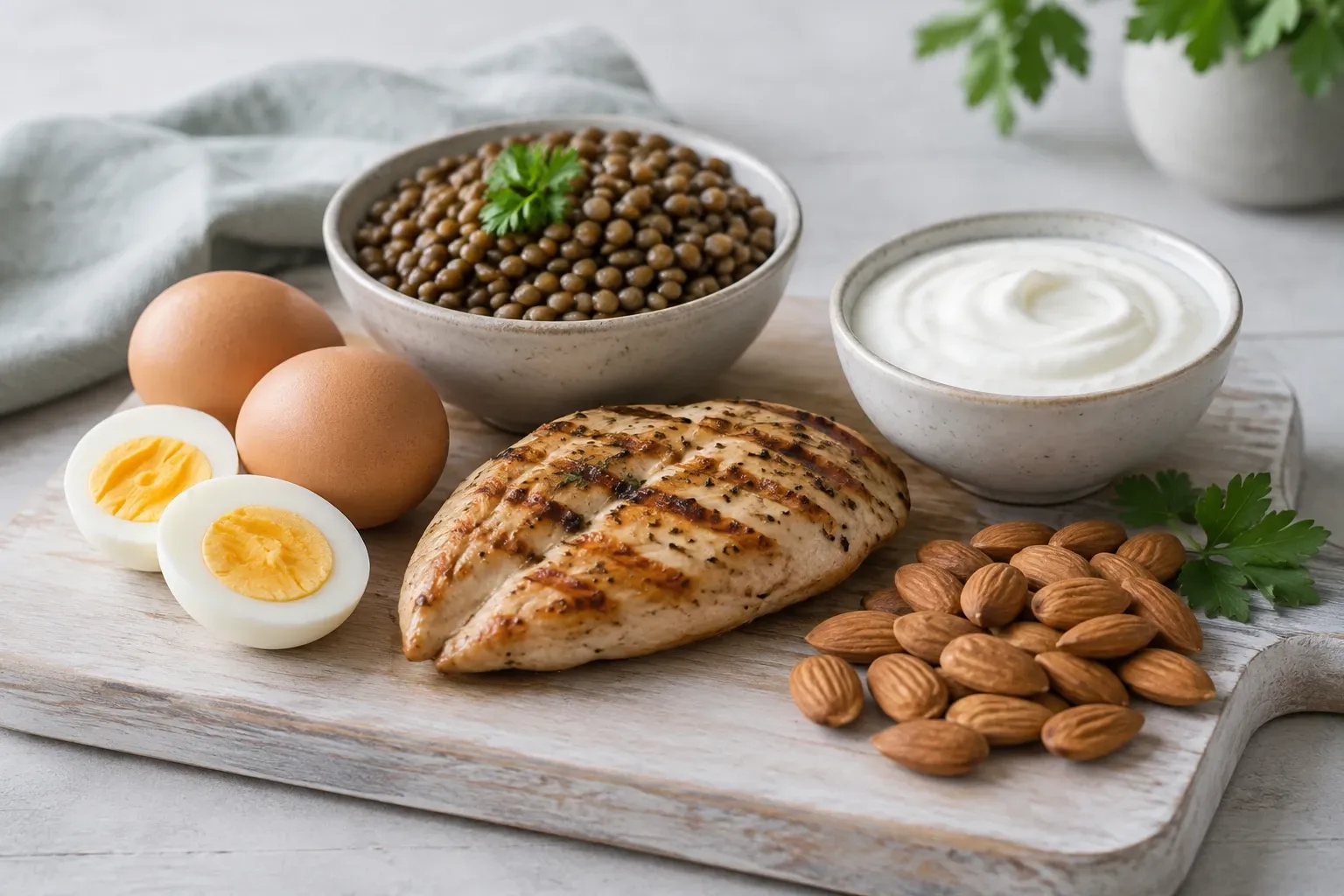
If you’ve searched “high protein foods,” you’ve probably seen long lists without context. What most of us need is a short, reliable set of options we can find in any US grocery store, with clear serving sizes and a sense of how they fit into a balanced plate. Below, you’ll see how much protein typical adults need, which foods deliver the most per everyday portion, and how to compare labels quickly. You’ll also find simple meal ideas that mix protein with vegetables, grains and fruits so your overall pattern stays balanced.
How much protein do you actually need?
For most healthy adults, the Recommended Dietary Allowance (RDA) is 0.8 grams of protein per kilogram of body weight per day—about 54 g for a 150‑lb person—set by the National Academies’ Food and Nutrition Board and summarized by the National Library of Medicine’s reference tables. See the protein line in the Dietary Reference Intakes tables (NCBI Bookshelf).
On packaged foods, the Nutrition Facts label uses a Daily Value (DV) of 50 g protein for adults and children 4+ to calculate “% Daily Value.” A %DV for protein must appear if a product makes a protein claim such as “high in protein.” Learn how %DV works on FDA’s label explainer (FDA Nutrition Facts label guide).
If you want a deeper dive into targets by body size and goals, see our overview of how much protein per day.
Which everyday foods are genuinely high in protein?
USDA’s MyPlate groups “protein foods” broadly—meat, poultry, seafood, eggs, beans, peas and lentils, soy products, and nuts and seeds—and encourages you to vary your choices (including about 8 ounces of seafood per week for many adults). See examples and tips in the Protein Foods Group page (USDA MyPlate).
How do common choices compare per typical serving?
Below are approximate protein amounts per everyday portion from a university extension fact sheet that compiles common foods. Use these as ballpark figures—brands and recipes vary.
- Cooked chicken breast, 3 oz (about a deck of cards): ~26 g protein.
- Cooked salmon, 3 oz: ~17 g protein.
- Canned tuna (in water), 3 oz: ~16 g protein.
- Eggs, 2 large: ~12–14 g protein.
- Greek yogurt, plain nonfat, 6 oz (170 g): ~17 g protein.
- Cottage cheese, low‑fat, ½ cup: ~14 g protein.
- Cooked lentils, ½ cup: ~9 g protein.
- Peanut butter, 2 Tbsp: ~7 g protein.
- Firm tofu, 3 oz (85 g): ~8 g protein.
Values summarized from a Florida Cooperative Extension handout on protein content of common foods (University of Florida IFAS).
How to turn the list into balanced meals
- Anchor each meal with a protein portion you enjoy, then add vegetables, fruits and whole grains so your overall pattern stays balanced. If you’re rebuilding your routine, this overview of a healthy, balanced way of eating can help.
- Mix animal and plant sources across the week. For example, rotate chicken, fish, beans or lentil bowls, tofu stir‑fries, eggs, Greek yogurt parfaits, and nut‑or‑seed toppings. MyPlate’s guidance to “vary your protein routine” is a useful check.
- For seafood, choose a variety and include options higher in omega‑3s such as salmon, anchovies and trout, as MyPlate suggests.
Label shortcuts at the store
- Scan “Protein” on the Nutrition Facts label to see grams per serving. The %DV column helps you compare quickly: around 20% DV (≈10 g per serving) is a substantial contribution toward the 50 g DV, though your own target may differ.
- Serving sizes differ. A yogurt cup might be 170 g, while a tuna serving might be 56 g drained. Always compare grams of protein per the serving size shown.
Are you getting enough? Simple ways to check
- Rough‑estimate your daily total. Multiply your weight in pounds by 0.36 to approximate the RDA in grams (that’s the 0.8 g/kg standard from the Dietary Reference Intakes). Then see how close your meals get you to that total.
- Use %DV as a quick cross‑check. Several items at 10–20% DV across the day usually add up to a solid baseline for many adults, given the 50 g DV on the label.
- Vary your sources week to week. That helps you cover nutrients that travel with different proteins—like iron in meats, omega‑3 fats in seafood, or fiber in beans—per MyPlate’s advice to rotate choices.
Notes on scope: Protein needs can change with age, pregnancy, illness, training, or medical advice. The figures above come from public references on protein requirements and typical servings (see NCBI DRI tables, FDA label guide, USDA MyPlate, and UF IFAS).
In this section Nutrition