
Why teeth get sensitive and how to calm the zing
A sudden zing from cold water or a sweet bite is common, but not normal. Here’s how to spot the cause of tooth sensitivity, what actually helps, and when to see a dentist.
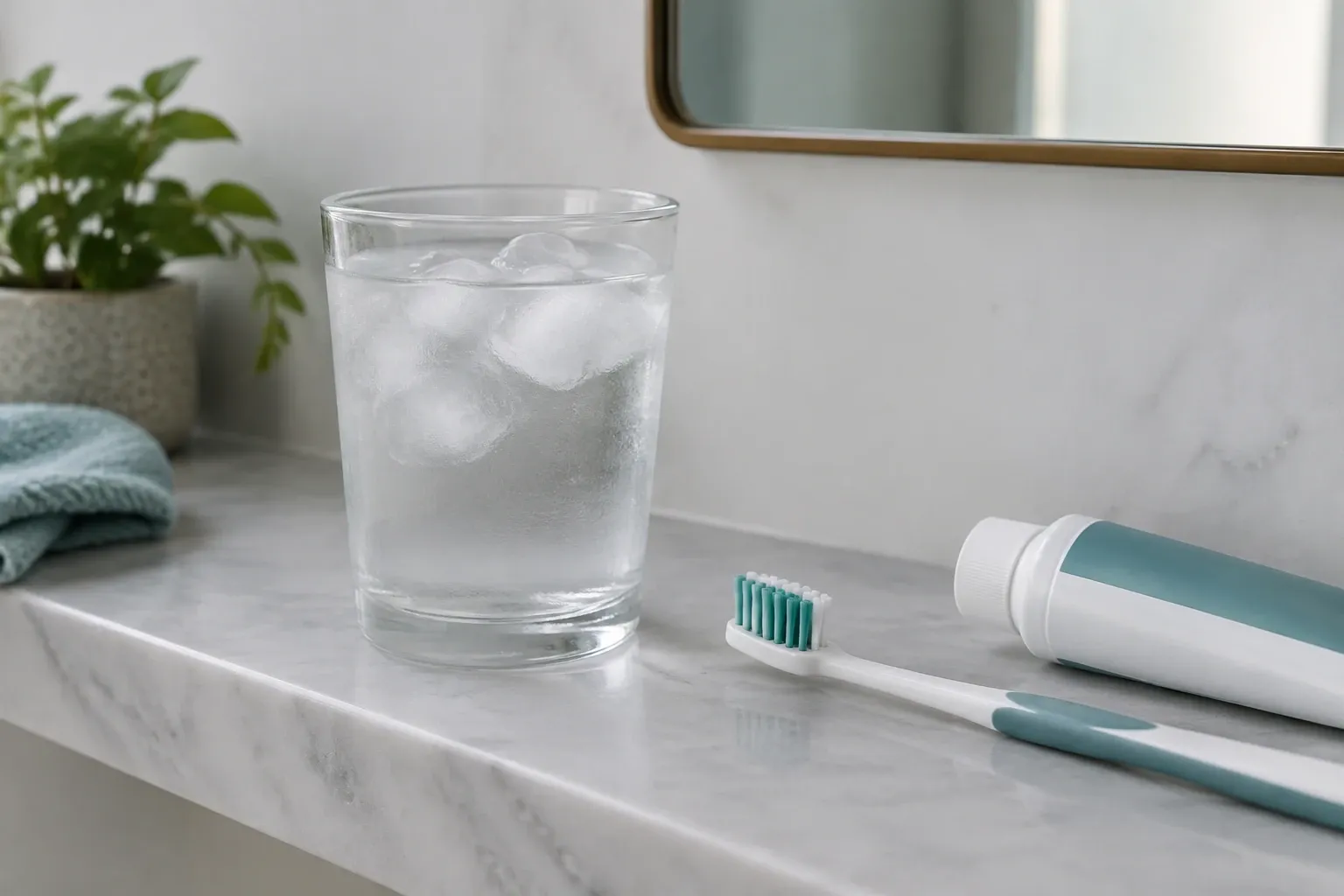
If icy drinks, cold air or a spoonful of ice cream make your teeth twinge, you’re dealing with tooth sensitivity. The pain often feels sharp and brief, but it’s your cue that something on or inside a tooth is exposed or irritated. Below, you’ll learn the main causes, what you can safely try at home, which dentist treatments work, and the signs that mean you should book an exam soon.
What’s happening inside a sensitive tooth?
Tooth sensitivity most often starts when the protective enamel (on the crown) or cementum (on the root) no longer fully covers the dentin underneath. Dentin contains thousands of microscopic tubules that connect to the nerve, so cold, touch or sweets can trigger a sharp pain. Clinical reviews describe more and wider tubules in sensitive areas and relief when tubules are sealed (peer‑reviewed overview).
The main causes to check
- Enamel wear from acidic drinks, frequent snacking on citrus or sodas, or aggressive brushing over time can expose dentin (evidence‑based overview).
- Gum recession makes the root surface (thinner cementum over dentin) vulnerable to cold and touch; recession can follow periodontitis or over‑brushing. If you’re exploring this topic, see how to spot gum disease stages early.
- Tooth decay can provoke sensitivity to sweets, heat or cold as it advances (NIDCR).
- Recent dental procedures and tooth whitening can cause temporary sensitivity that usually eases within a few days. If you’re considering bleaching, read about teeth whitening first.
- Cracked teeth, worn fillings, or grinding (bruxism) can also trigger sharp or biting pain and need a dentist’s exam.
For daily prevention habits, our section guide on keeping teeth and gums healthy walks through brushing, flossing and diet basics.
What you can try at home first
- Switch to a desensitizing toothpaste and use it twice daily. ADA materials note these toothpastes include agents that lessen sensitivity; look for products with the ADA Seal on the label (American Dental Association). Evidence for potassium‑based formulas is mixed overall but shows symptom reduction after 6–8 weeks in pooled trials (Cochrane review).
- Brush gently with a soft‑bristled brush; avoid scrubbing side‑to‑side at the gumline. ADA tips also include cutting back on acidic drinks and using a straw for hot or cold beverages (ADA guidance).
- Give acids time: after soda, citrus or reflux symptoms, rinse with water and wait 30 minutes before brushing to avoid extra enamel wear.
- If you clench or grind, ask about a night guard; reducing mechanical stress can lower sensitivity triggers.
Dentist treatments that help—and when they’re used
Your dentist will first rule out problems like a cavity, crack or failing filling. Depending on the cause, they may:
- Apply fluoride varnish or prescribe a high‑fluoride toothpaste to strengthen enamel and reduce sensitivity.
- Seal exposed dentin with bonding resins or glass ionomer materials to close tubules.
- Treat gum disease and recession, which may include professional cleanings and, in some cases, procedures to cover roots.
- If the nerve is inflamed from deep decay or a crack, they’ll manage the disease itself—for example, through a filling or root‑canal therapy—rather than desensitizing measures.
How to tell if your plan is working
- Track your triggers for two to three weeks after starting a desensitizing toothpaste; many people notice fewer or milder zings in this window.
- If pain now lingers after the cold or is tied to biting pressure, or the sensitivity focuses on a single tooth, schedule a dental exam—those patterns suggest a crack, cavity or pulp issue that needs treatment.
- Keep up gentle brushing, flossing and a lower‑acid diet to prevent future flare‑ups.
Frequently asked questions
What’s the most common cause of tooth sensitivity?
Often it’s exposed dentin—tiny tubules in the layer under enamel that carry sensation to the nerve—after enamel wear or gum recession. Reviews describe dentin tubules that are wider and more numerous in sensitive areas, which helps explain the sharp response to cold or touch (<a href="https://pmc.ncbi.nlm.nih.gov/articles/PMC3585766/" target="_blank" rel="nofollow noopener">peer‑reviewed overview</a>).
Can a cavity cause sensitivity?
Yes. As decay advances it can cause sensitivity to sweet, hot or cold foods. Treating the cavity stops the process and protects the pulp (<a href="https://www.nidcr.nih.gov/health-info/tooth-decay" target="_blank" rel="nofollow noopener">NIDCR</a>).
Do desensitizing toothpastes really work?
They can help many people when used twice daily for several weeks. They contain agents that reduce sensitivity, such as potassium salts or stannous fluoride (<a href="https://www.mouthhealthy.org/all-topics-a-z/toothpaste/" target="_blank" rel="nofollow noopener">American Dental Association</a>). Evidence on potassium is mixed but shows benefit at 6–8 weeks in pooled trials (<a href="https://www.cochrane.org/evidence/CD001476_potassium-containing-toothpastes-dentine-hypersensitivity" target="_blank" rel="nofollow noopener">Cochrane review</a>).
Why did my teeth get sensitive after whitening?
Bleaching gels can temporarily irritate the tooth and make it react to cold for a few days. Sensitivity from whitening is common and short‑lived in most people (<a href="https://pmc.ncbi.nlm.nih.gov/articles/PMC3585766/" target="_blank" rel="nofollow noopener">peer‑reviewed overview</a>). If it persists or is severe, pause treatment and talk to your dentist.
When should I see a dentist urgently?
Book soon if sensitivity lingers after the trigger, wakes you at night, is tied to biting pressure, or centers on one tooth—these can signal a crack, deep decay or nerve inflammation that needs care (<a href="https://www.nidcr.nih.gov/health-info/tooth-decay" target="_blank" rel="nofollow noopener">NIDCR</a>).
In this section Dental Health