
Type 2 diabetes: the steps that lower your risk
You can lower your chance of type 2 diabetes with specific, doable changes, and timely screening. Here’s what the strongest U.S. evidence says and how to put it to work.
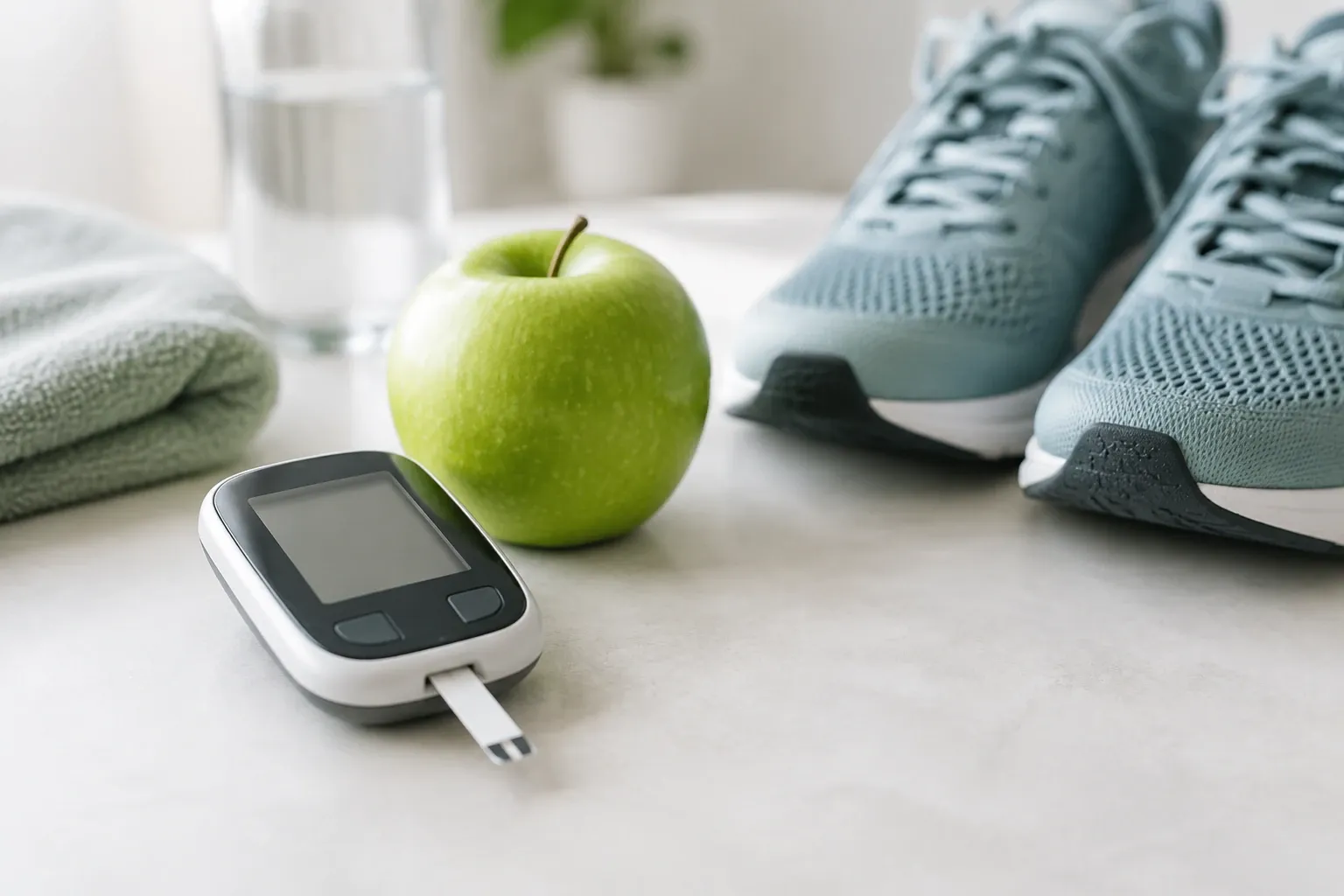
Maybe your last checkup mentioned “prediabetes,” or type 2 diabetes runs in your family. The good news: prevention isn’t guesswork. Large U.S. trials and guidelines agree on a handful of high‑impact actions—how much to move, how much weight to lose, who should be screened, and when medicines like metformin make sense. Below, you’ll find the clearest steps, how to choose among them, and simple ways to track progress so you and your clinician can see what’s working.
What really lowers your risk?
The largest U.S. trial on diabetes prevention—the NIH‑funded Diabetes Prevention Program—found that a structured lifestyle program with calorie reduction, at least 150 minutes of moderate activity per week, and a modest 5–7% weight loss reduced type 2 diabetes risk by 58% over about three years; metformin reduced risk by 31% compared with placebo, with benefits lasting in follow‑up studies, according to the National Institute of Diabetes and Digestive and Kidney Diseases (NIDDK summary). The CDC’s National Diabetes Prevention Program uses these same targets and reports similar risk reductions, including 71% among adults over 60 in trial data (CDC: Prevent type 2 diabetes). (niddk.nih.gov)
Who should be screened, and with which tests?
The U.S. Preventive Services Task Force recommends screening adults ages 35 to 70 who have overweight or obesity, using A1C, fasting plasma glucose, or a 2‑hour oral glucose tolerance test. If your first test is normal, screening roughly every three years may be reasonable (USPSTF recommendation). Clinicians should offer or refer people with prediabetes to effective preventive interventions like structured lifestyle programs. (uspreventiveservicestaskforce.org)
Lifestyle change or medicine—how do the options compare?
- Structured lifestyle program: Targets 150 minutes/week of moderate activity, calorie reduction, and 5–7% weight loss. In the original trial, this approach cut diabetes risk by 58% and improved weight, fitness, and other risk factors (NIDDK on DPP; CDC: What is the National DPP?).
- Metformin: The American Diabetes Association says to consider metformin prevention in adults at high risk—especially ages 25–59 with BMI ≥35 kg/m², higher fasting glucose or A1C, or prior gestational diabetes (ADA Standards of Care 2026, Prevention). In the trial, metformin lowered risk by 31% versus placebo.
Choose with your clinician based on your numbers, medications, and preferences; many people start with lifestyle and add metformin if risk stays high.
Food, activity, and habits: how to pick first steps
- Aim for the proven targets: work toward 150 minutes/week of moderate activity like brisk walking and a 5–7% weight loss if you have overweight. These are the core goals used in programs that cut risk the most.
- Make calories and movement visible: keep a simple log or use a pedometer/phone step count to learn your baseline and nudge it up.
- Stack small changes: add a 10–15 minute walk after meals, swap sugary drinks for water, and build balanced plates that help you stay within your calorie needs.
- Ask about local or virtual coaching: the CDC‑led year‑long program provides group support and problem‑solving skills to keep changes going.
If you’re mapping out broader prevention steps—screenings, vaccines, and habits—see our plain‑English overview of preventive screenings. (cdc.gov)
A simple plan to start this week
- Pick two actions you can repeat: for example, a 20‑minute brisk walk five days a week and cooking one more at‑home dinner with plenty of vegetables and lean protein.
- Set a personal weight goal if appropriate: 5–7% of your current weight over several months.
- Schedule screening if you’re 35–70 with overweight or obesity, or earlier if your clinician advises it based on risk.
- Decide how you’ll get support: a friend, a local Y, a virtual DPP class, or your clinic’s educator.
- Review medicines with your clinician; ask whether metformin prevention fits your situation if your risk remains high.
How to know it’s working
- Short term (weeks to months): your activity minutes rise toward 150/week; your weight trends toward that 5–7% loss if needed.
- Lab checks: if screening showed prediabetes, your clinician may recheck A1C or fasting glucose after lifestyle changes; if results were normal, repeating screening about every three years is reasonable per the USPSTF.
- Course‑correct with support: if progress stalls, a structured lifestyle program or a discussion about metformin can help reduce your risk further (CDC National DPP; ADA 2026).
If you also track heart‑health basics while you work on prevention, understanding your blood pressure numbers and keeping vaccinations current with an adult vaccine schedule can support overall health.
Frequently asked questions
How much weight loss makes a real difference?
In the NIH‑funded Diabetes Prevention Program, losing about 5% to 7% of your starting weight—through fewer calories and more activity—cut the risk of type 2 diabetes by 58% over about three years. This finding underpins the CDC’s year‑long lifestyle program used nationwide.
Is metformin right for preventing diabetes?
Metformin isn’t for everyone, but the American Diabetes Association says it may be considered for adults at high risk, especially ages 25–59 with BMI ≥35 kg/m², higher fasting glucose or A1C, or a history of gestational diabetes. Talk with your clinician about benefits and side effects.
When should I be screened for prediabetes or diabetes?
The U.S. Preventive Services Task Force recommends screening adults ages 35 to 70 who have overweight or obesity. Tests include A1C, fasting plasma glucose, or an oral glucose tolerance test. If results are normal, screening about every three years may be reasonable.
What kind of exercise counts toward prevention?
Aim for at least 150 minutes a week of moderate activity like brisk walking. That’s the target used in the national lifestyle program that reduced diabetes risk by 58% when combined with modest weight loss. Spread it over at least three days per week if you can.
Do I need an app or group program to succeed?
Not necessarily, but structured support helps many people. The CDC‑led National Diabetes Prevention Program offers year‑long coaching—often in person or virtual—built around calorie reduction, 150 minutes of weekly activity, and problem‑solving skills to make changes stick.
In this section Prevention