
Make the DASH diet work for your blood pressure, step by step
If your blood pressure is creeping up, food is one lever you control every day. Here’s how to use the DASH diet in real life, what results to expect, and how to check your numbers safely.
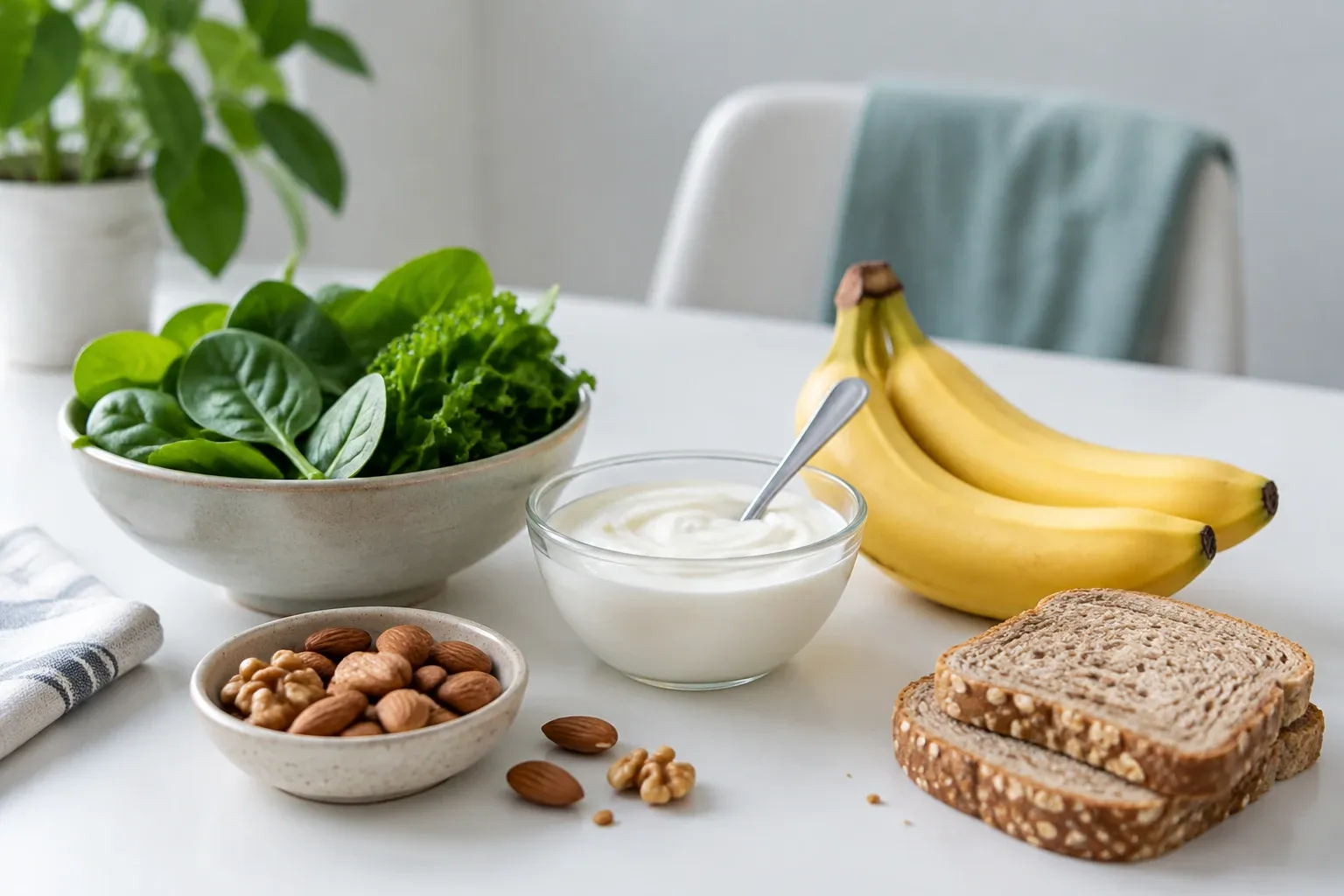
You’ve heard of the DASH diet, but you want the short list: what goes on the plate, how low to keep sodium, and whether it truly moves the needle on blood pressure. This guide turns the research-backed pattern into simple choices you can shop, cook and measure. You’ll see daily serving targets, a sodium range to aim for, how much blood pressure typically falls on DASH, and how to monitor your progress at home.
What exactly is the DASH diet—and who is it for?
DASH stands for Dietary Approaches to Stop Hypertension. It’s a flexible eating pattern built around vegetables, fruits, whole grains, beans, nuts, lean proteins and low‑fat dairy, with limits on saturated fat, sweets and sodium. The plan was created and tested by the National Heart, Lung, and Blood Institute (NHLBI), which also provides practical guides and recipes for getting started (NHLBI DASH materials).
To see how DASH fits into everyday healthy eating beyond blood pressure, you can also explore the big picture in our nutrition guide.
What does a day of eating on DASH look like?
For a 2,000‑calorie day, NHLBI’s sample targets include roughly: 6–8 servings of grains (mostly whole), 4–5 servings each of vegetables and fruits, 2–3 servings of low‑fat dairy, up to 6 ounces of lean meat/poultry/fish, 4–5 servings of nuts/legumes per week, 2–3 servings of fats/oils, and limited sweets (about 5 per week). These ranges come from NHLBI’s serving tables and menu examples (NHLBI serving tables; NHLBI living with DASH).
If you need fewer or more calories, NHLBI provides adjusted serving charts so you can scale the plan up or down (NHLBI menu examples by calorie level).
How much sodium should you aim for on DASH?
DASH works best when you also limit sodium. NHLBI recommends a standard target of up to 2,300 mg sodium per day, with an optional lower target of 1,500 mg for greater blood pressure benefit if you can maintain it.
Practical ways to move toward these targets include choosing no‑salt‑added or low‑sodium versions of staples (beans, tomatoes, broths), rinsing canned foods, flavoring with herbs and acids (citrus, vinegar) instead of salt, and checking the Nutrition Facts label for sodium per serving.
What results can you realistically expect on blood pressure?
Clinical trials show that, compared with a typical U.S. diet, following DASH lowers blood pressure even when weight and sodium are held steady—about 5–6 mm Hg systolic and 3 mm Hg diastolic on average in adults with elevated blood pressure. These findings are summarized in American College of Cardiology/American Heart Association guideline evidence statements (JACC lifestyle guideline summary of DASH trials). When DASH is combined with reduced sodium and other lifestyle steps like weight loss and exercise, trials report larger average drops (for example, double‑digit mm Hg reductions in some programs), according to an American Heart Association scientific statement (AHA weight‑loss and BP statement).
It’s important to separate blood pressure effects from long‑term clinical events. A 2025 Cochrane review concluded evidence is still insufficient to know whether DASH alone prevents heart attacks or strokes, even though it improves blood pressure (Cochrane Review on DASH and cardiovascular events).
How does DASH compare with other heart‑healthy patterns?
You don’t have to choose only one “right” pattern. The American Heart Association recognizes both DASH and Mediterranean‑style eating as heart‑healthy approaches that emphasize plant foods and healthy fats (AHA on Mediterranean and DASH). If you’re comparing options focused on inflammation, see how principles overlap in our page on the anti‑inflammatory diet.
How to put DASH into practice this week
- Build your plate around plants: at lunch and dinner, make half the plate vegetables and fruit, one quarter whole grains, one quarter lean protein. These proportions align with NHLBI’s DASH examples.
- Stock low‑sodium staples: no‑salt‑added beans, frozen vegetables, low‑sodium broth, and herbs/spices.
- Choose unsalted nuts and seeds; use olive or canola oil instead of butter.
- Swap sugary drinks for water or unsweetened tea; keep sweets to occasional small portions per NHLBI guidance.
- Plan protein variety: fish or seafood twice a week, beans or lentils several times weekly, and lean poultry or tofu on other days.
For broader, day‑to‑day habits that support this way of eating, see our overview of healthy eating.
How to check whether it’s working—safely
- Monitor at home if your clinician recommends it. The American Heart Association advises home blood pressure monitoring to help assess whether treatments and lifestyle changes are working (AHA on home BP monitoring).
- Confirm any diagnosis outside the clinic. The U.S. Preventive Services Task Force recommends confirming high blood pressure with home or ambulatory monitoring before starting treatment (USPSTF hypertension screening).
- Share a log of readings with your clinician. Ask how often to measure and which targets apply to you. Keep taking any prescribed medicine unless your clinician changes the plan.
If you’re also considering supplements such as vitamin D, start with food first and talk with your care team; for context, see our explainer on vitamin D supplements.
Frequently asked questions
Is the DASH diet safe if I’m on blood pressure medication?
DASH is a food pattern built around vegetables, fruits, whole grains, lean proteins and low-fat dairy. It’s generally compatible with blood pressure medicines, but you should not change or stop any prescription on your own. Tell your clinician you’re trying DASH so they can adjust treatment if your readings improve, as recommended by the American Heart Association’s advice on home monitoring.
Do I have to hit 1,500 mg of sodium right away?
No. The NIH’s heart institute says benefits occur at 2,300 mg per day and can be greater at 1,500 mg. Many people do better stepping down over weeks: cook more at home, compare labels, and swap high‑sodium items for lower‑sodium versions. Both levels fit within the DASH pattern.
How is DASH different from a Mediterranean diet?
Both emphasize vegetables, fruits, whole grains and unsaturated fats. The Mediterranean pattern focuses more on olive oil, fish and legumes; DASH was designed specifically to lower blood pressure and has trial evidence of BP reduction. The American Heart Association considers both heart‑healthy options.
Can DASH prevent heart attacks or strokes on its own?
Trials show DASH lowers blood pressure, a major risk factor, but it’s still uncertain whether DASH alone reduces hard outcomes like heart attacks or strokes. A 2025 Cochrane review found the effect on these events remains unclear, while blood pressure benefits are consistent.
In this section Nutrition