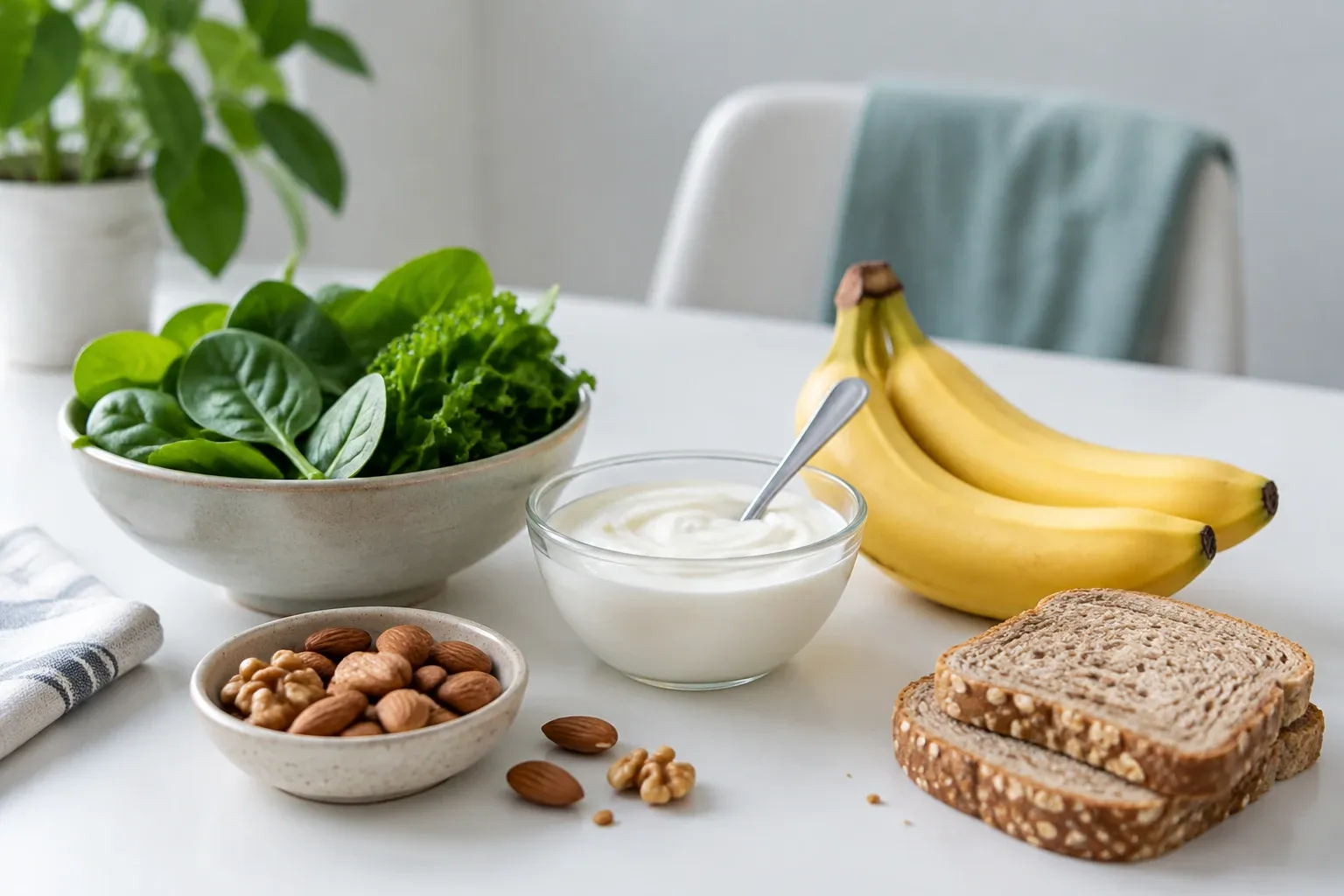
Make the DASH diet work for your blood pressure, step by step
DASH diet made practical: what to eat, how much sodium to aim for, how it lowers blood pressure, and how to track progress at home with clear steps.

Clear, reliable health information for a healthier you
DASH diet made practical: what to eat, how much sodium to aim for, how it lowers blood pressure, and how to track progress at home with clear steps.
Dental hygienist salary: see today’s U.S. median ($98,100), how hours, state and setting shift pay, and the licenses and steps that lead to your first offer.
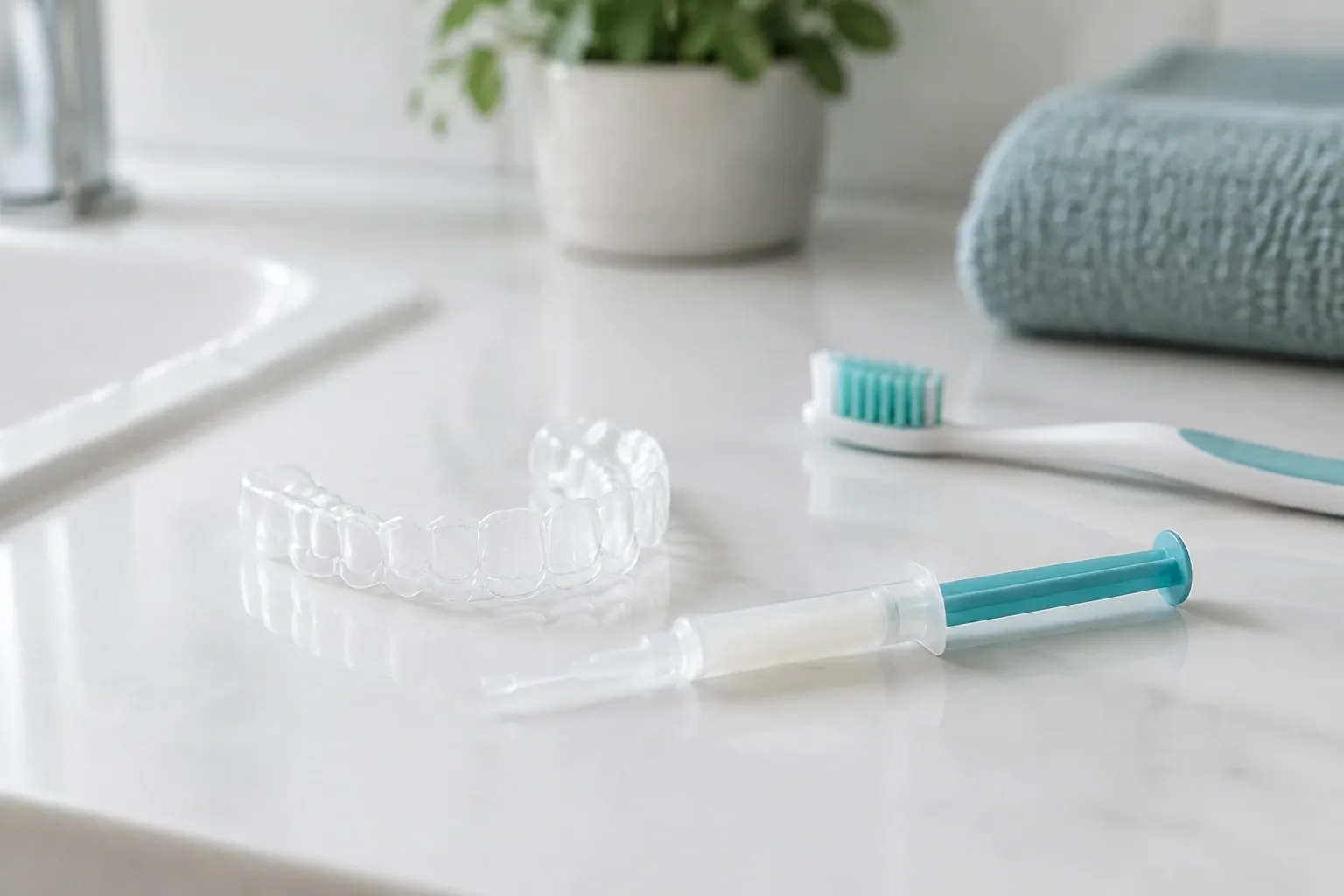
Teeth whitening explained with evidence: what works, what doesn’t, who should avoid it, and how to use strips, trays or in‑office care safely.

See which fastest growing healthcare jobs lead the decade, how BLS counts growth, and what training, licensing and time you need to get started.
Gum disease explained in plain English: stages from gingivitis to periodontitis, key symptoms, proven treatments, and what to do next if your gums bleed.

Headache causes explained in plain English: common types, typical symptoms, triggers, and danger signs that mean you should seek care.
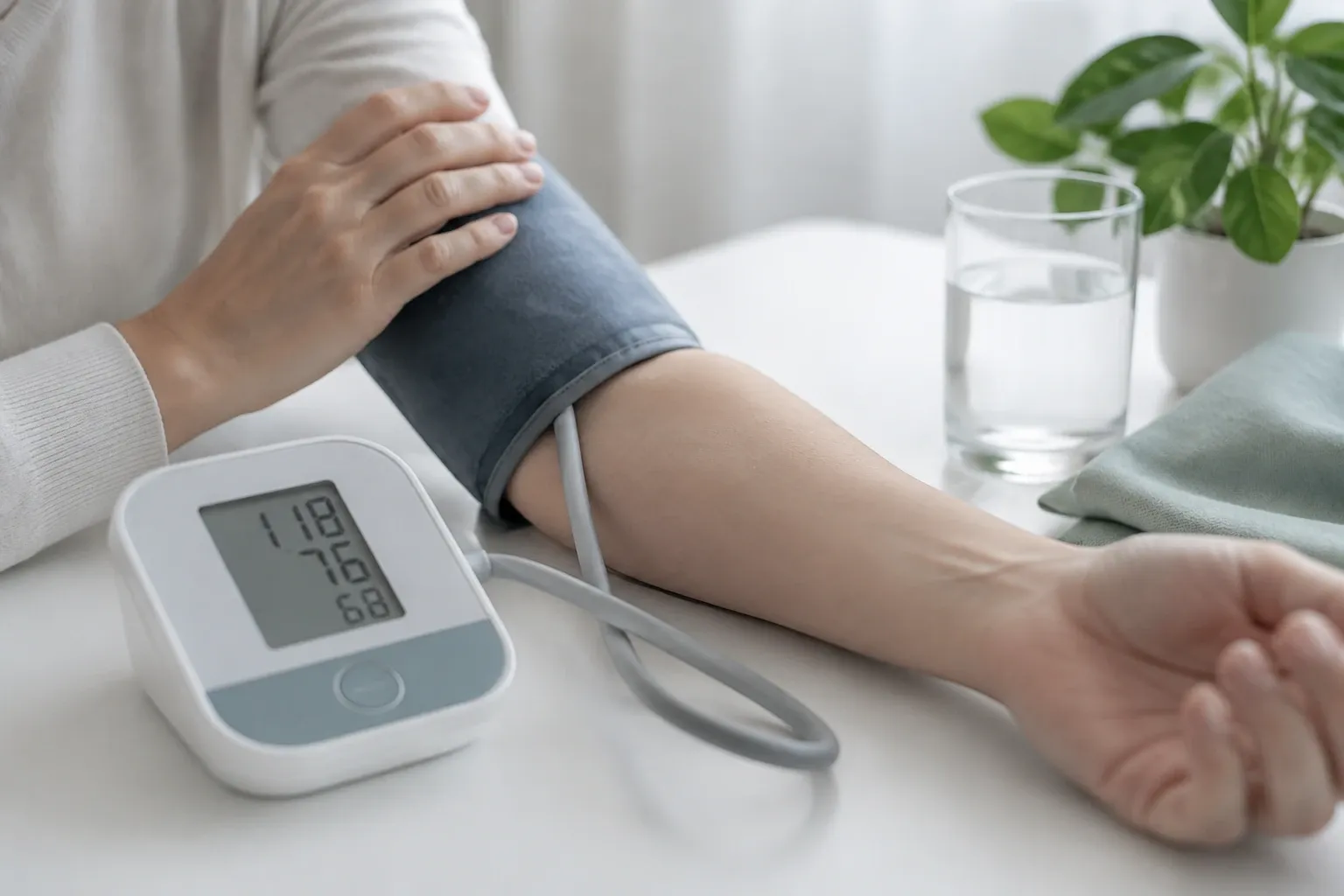
High blood pressure symptoms explained: why most people feel nothing, which red flags mean emergency, what your numbers mean, and when to see a doctor.
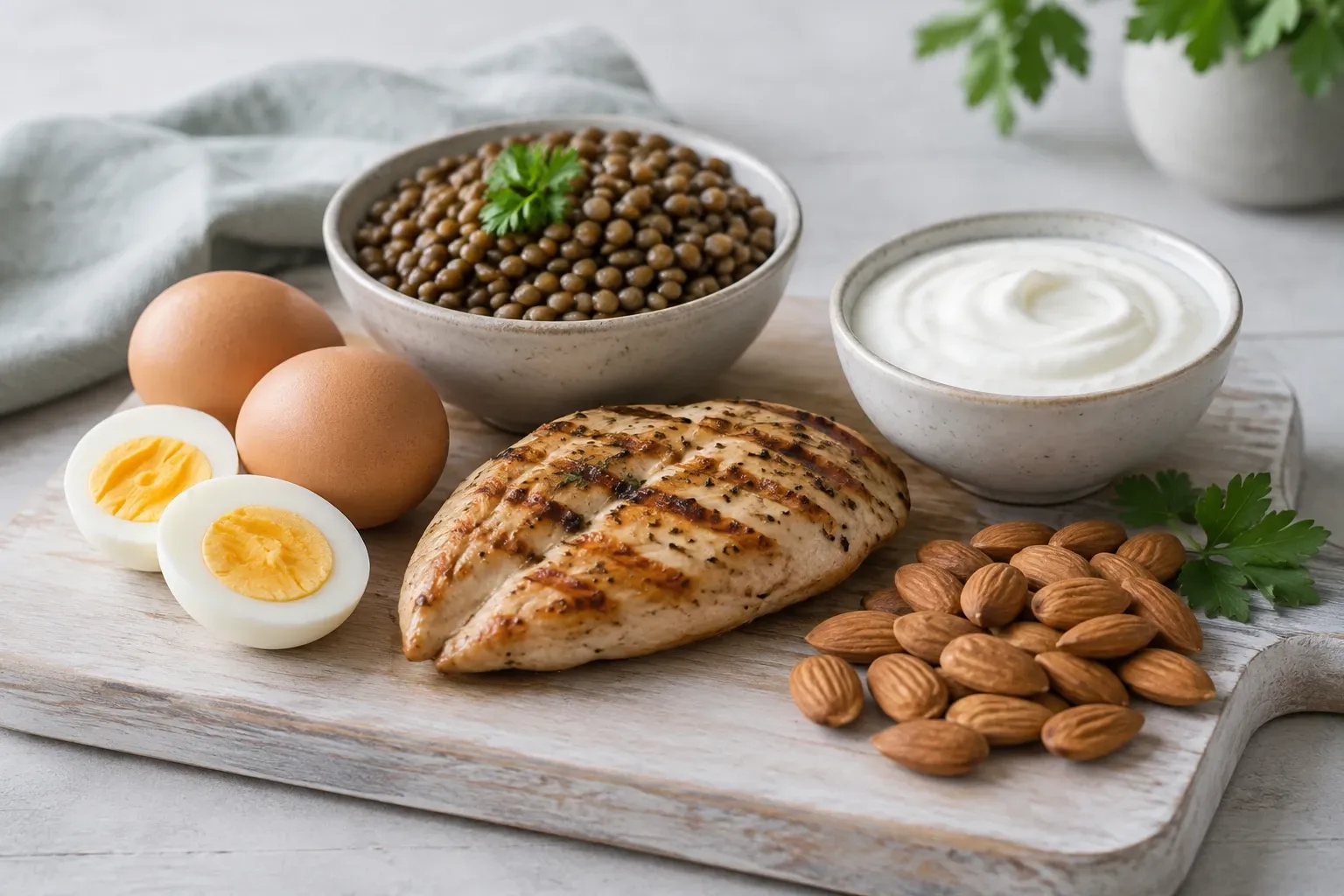
High protein foods made simple: how much protein you need, which foods deliver the most per typical serving, and easy ways to build protein into every meal.
Protein intake, made simple: learn your daily target in grams, how it changes for athletes, pregnancy or kidney disease, and easy ways to hit it at meals.

How to become a nurse in the US, from choosing LPN/LVN or RN to accredited programs, NCLEX and state licensure, plus tips to compare options and plan next steps.
Learn how to floss the right way: simple steps, when to do it, and which tools work best for your teeth and gums, backed by independent evidence.

How to lower cortisol with habits you can start today: sleep timing, daily activity and mindfulness, with evidence on what changes cortisol and what doesn’t.