
What high blood pressure really feels like, and when it doesn’t
You searched for symptoms, but high blood pressure often has none. Here’s how to tell what your numbers mean, when symptoms are an emergency, and how to follow up.
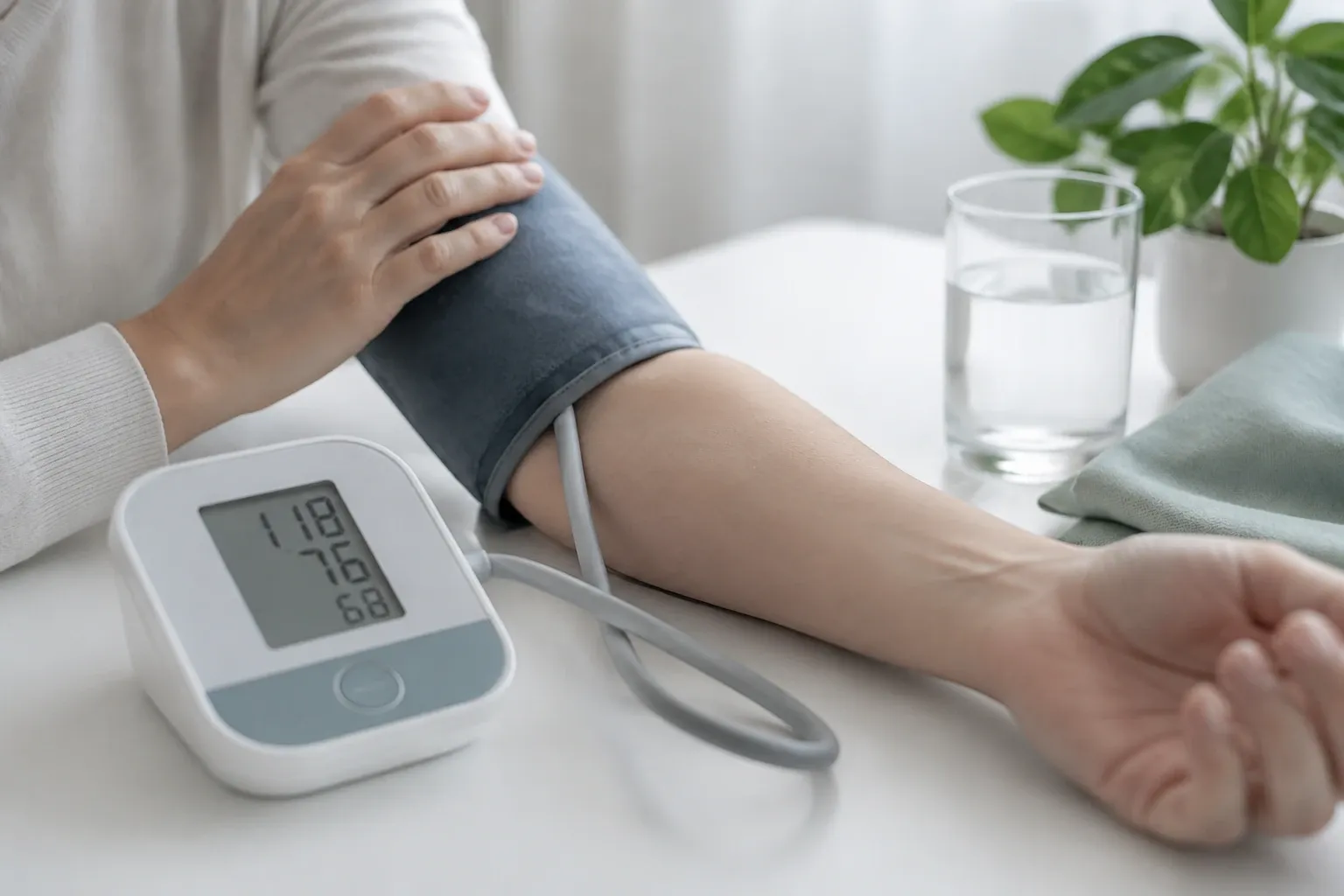
You can’t rely on how you feel to know if your blood pressure is high. Many people walk around with elevated numbers and feel fine. That’s why learning the few warning signs that do matter—and checking your numbers the right way—can protect you. Below, you’ll find what to look for, what the readings mean, when to call 911, and how to talk with your clinician about next steps.
Are there any symptoms of high blood pressure?
For most people, no—high blood pressure is called “silent” because it usually causes no noticeable symptoms until it has already harmed organs. That’s why you can feel fine and still have risky numbers, according to the American Heart Association.
What about headaches or nosebleeds?
Headaches and nosebleeds are common but are not reliable signs of high blood pressure on their own. If a headache is severe or sudden—especially with confusion, weakness, or vision changes—treat it as urgent. If headaches are your main concern, read our plain‑English guide to headache causes and keep track of your blood pressure numbers.
What do the numbers mean?
Blood pressure is written as systolic over diastolic (for example, 118/76 mm Hg). For adults, common categories are:
- Normal: less than 120/80 mm Hg.
- Stage 1 hypertension: 130–139 systolic or 80–89 diastolic.
- Stage 2 hypertension: 140 or higher systolic or 90 or higher diastolic.
These ranges are summarized for patients on MedlinePlus and align with major U.S. guidelines.
Which symptoms are a red flag right now?
Call 911 if your blood pressure is 180/120 mm Hg or higher and you have any warning signs of organ damage—such as chest pain, shortness of breath, severe back pain, weakness or numbness, changes in vision, or trouble speaking. The American Heart Association flags this combination as a medical emergency requiring immediate care (AHA: High Blood Pressure).
If you see a reading at or above 180/120 mm Hg but you feel well, wait five minutes and recheck. If it stays that high, contact your clinician promptly the same day for instructions, as advised by the National Heart, Lung, and Blood Institute.
How should you check your blood pressure at home?
- Sit quietly for 5 minutes, feet on the floor, back supported, arm at heart level.
- Avoid caffeine, exercise, or tobacco for 30 minutes beforehand.
- Use a properly sized, validated upper‑arm cuff and take two readings 1 minute apart; record both.
- Measure at the same times each day (for example, morning and evening) for several days.
Clinicians often confirm an elevated office reading with out‑of‑office measurements before diagnosing hypertension, a step supported by the U.S. Preventive Services Task Force (USPSTF screening recommendation).
When should you see a clinician if you feel fine?
- Your average home readings are 130/80 mm Hg or higher over several days.
- You get one unexpectedly high reading and then repeat readings are still high.
- You have risk factors like kidney disease, diabetes, or prior cardiovascular disease and notice a trend upward.
Primary care teams use your numbers and your overall cardiovascular risk to decide whether to start or adjust treatment, consistent with major U.S. guidelines that MedlinePlus summarizes for patients.
What’s the practical plan today?
- Learn your baseline. If you haven’t had a recent reading, schedule a check and ask how often to repeat it. The USPSTF recommends routine screening for adults 18 and older.
- Track at home for a week if any reading is borderline or high. Bring your log to your appointment.
- Act fast on red flags. Combine of 180/120 mm Hg or higher plus symptoms like chest pain, breathlessness, weakness or vision trouble? Call 911, per AHA guidance.
- Tackle the drivers you can change—sodium, alcohol, movement, sleep, stress—alongside any treatment your clinician recommends. If you’re sorting through mixed symptoms, our guide on making sense of symptoms can help you decide what to watch and when to seek care.
How will you know it’s working?
- Your home log shows averages moving toward your target range.
- Follow‑up visits confirm improvement and your clinician doesn’t see signs of heart, brain, kidney, or eye strain.
- You feel confident recognizing emergency red flags and you have a plan for regular checks.
Remember: high blood pressure often feels like nothing at all—until it threatens the heart or brain. Checking your numbers and acting on them is the symptom‑proof way to protect your health, as underscored by the American Heart Association and the U.S. Preventive Services Task Force.
Frequently asked questions
Do headaches mean I have high blood pressure?
Not usually. Most people with high blood pressure have no symptoms at all. Headaches can have many causes, from tension to migraine. Treat any severe, sudden headache as urgent, especially with other neurologic symptoms. If you’re worried about headaches specifically, see our overview of headache causes.
Why is my blood pressure higher at the doctor’s office?
It may be “white‑coat” hypertension—blood pressure that’s higher in a clinic than at home. Clinicians often confirm a diagnosis with measurements taken outside the office using a validated home monitor or ambulatory device before starting long‑term treatment.
What counts as a hypertensive emergency?
If your reading is 180/120 mm Hg or higher AND you have symptoms such as chest pain, shortness of breath, back pain, weakness or numbness, vision changes, or trouble speaking, call 911. Those signs can indicate acute organ damage and need immediate care.
How often should healthy adults check their blood pressure?
Adults should be screened periodically in primary care. Your clinician may ask you to confirm high readings with home or ambulatory monitoring, especially before diagnosing long‑term hypertension. People with risk factors or previous high readings may need more frequent checks.
In this section Symptoms